
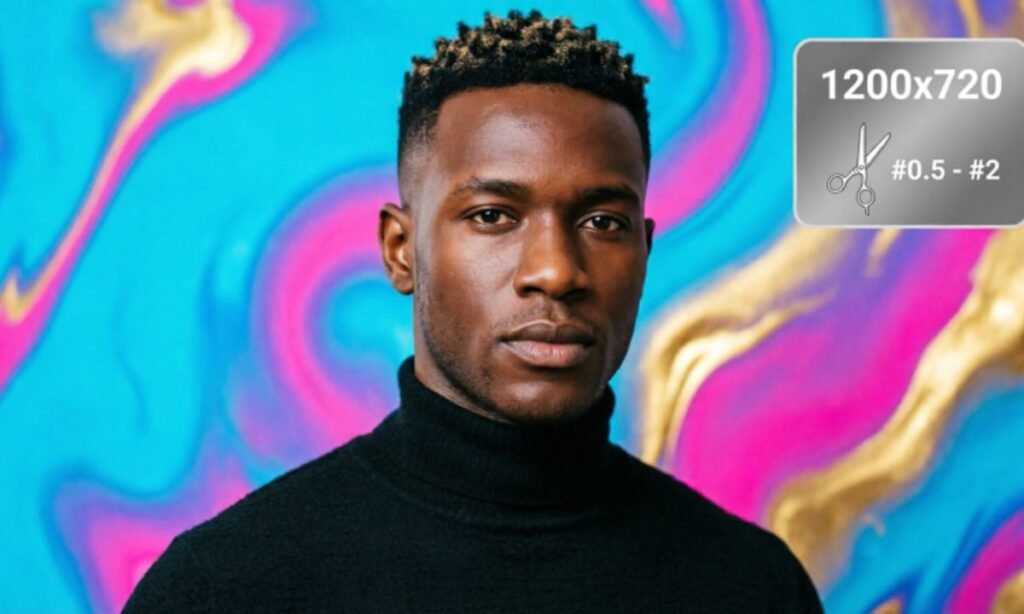
Low Fade Haircuts for Black Men offer a clean, sharp, and stylish look that works well with many hair types and textures. This haircut keeps the sides neat while allowing more volume and style on top.
In 2026, these haircuts remain popular because they can be combined with curls, waves, twists, afros, and other modern styles. A low fade also gives a fresh appearance without removing too much hair.
This guide explores the best Low Fade Haircuts for Black Men, along with useful styling tips and fresh ideas. Whether you prefer a classic or modern look, there are plenty of options to try .A low fade is one of the most requested haircuts in Black barbershops today, and for good reason.
It’s sharp, low-maintenance, and works with almost every natural hair texture — from tight coils to loose waves. Whether you’re heading into the office, a family event, or just want a clean everyday look, the low fade delivers without shouting for attention.
This guide breaks down everything you need to know: what a low fade actually is, the best variations for Black hair, how to talk to your barber, and how to keep the cut looking fresh between visits.
What Is a Low Fade Haircut?
A low fade is a haircut where the hair gradually shortens starting near the ears and the bottom of the head, blending into skin or very short hair around the hairline. Unlike a high fade, the fade line stays close to the bottom, leaving more length and coverage on the sides and back.
The result is a subtle, controlled transition from longer hair on top down to the skin. Because the fade sits low, the haircut looks neat and natural rather than dramatic, which is exactly why it suits so many settings — school, work, casual outings, and formal events alike.
Key features of a low fade:
- The fade starts just above the ears and around the nape
- Hair blends gradually, without a harsh, visible line
- More hair stays on the sides compared to mid or high fades
- Pairs well with curls, coils, waves, twists, dreads, and afros
Low Fade vs Taper (Simple Difference)
People often mix up a fade and a taper, but the difference is simple once you see it side by side.
| Feature | Low Fade | Low Taper |
| Contrast | Sharper, more defined | Softer, more gradual |
| Skin exposure | Sometimes fades to skin | Rarely fades to full skin |
| Look | Bold, precise | Subtle, natural |
| Maintenance | Needs touch-ups every 2–3 weeks | Grows out more gracefully |
| Best for | Sharp, barbershop-fresh look | Low-key, understated style |
In short: a low fade is crisper and more defined, while a low taper blends more softly and grows out with less noticeable regrowth lines.
ALSO READ THIS:Fade Maintenance Routine (Week-by-Week): Keep Your Fade Fresh Longer
Why Low Fade Haircuts Are Perfect for Black Men
Black hair textures — coily, curly, and kinky — hold shape and volume exceptionally well on top, which is exactly what a low fade is built to highlight. The fade does the work on the sides while your natural texture takes center stage up top.
Here’s why this combination works so well:
- It works with natural texture. Curls, coils, and waves keep their shape and definition instead of getting weighed down.
- It’s versatile. A low fade fits casual, professional, and formal settings without needing to change the cut.
- It’s low-maintenance compared to more dramatic fades. Because the contrast is lower, minor regrowth is less noticeable.
- It flatters most face shapes. The gradual blend softens sharp angles and adds structure to rounder faces.
- It pairs easily with facial hair. A low fade blends naturally into a beard without competing for attention.
- It’s barbershop-friendly. Almost every barber, regardless of experience level, knows how to execute a clean low fade.
Popular Low Fade Haircuts for Black Men
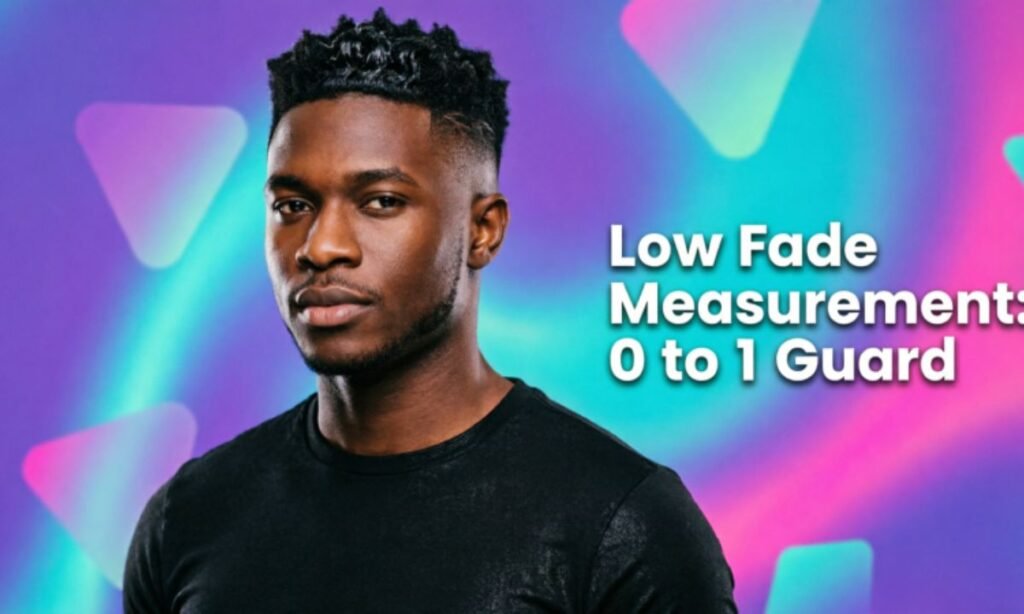
There isn’t just one way to wear a low fade. It’s more of a foundation that adapts to whatever you’re doing on top. Below are the most popular variations Black men are asking for right now.
Low Fade with Short Hair
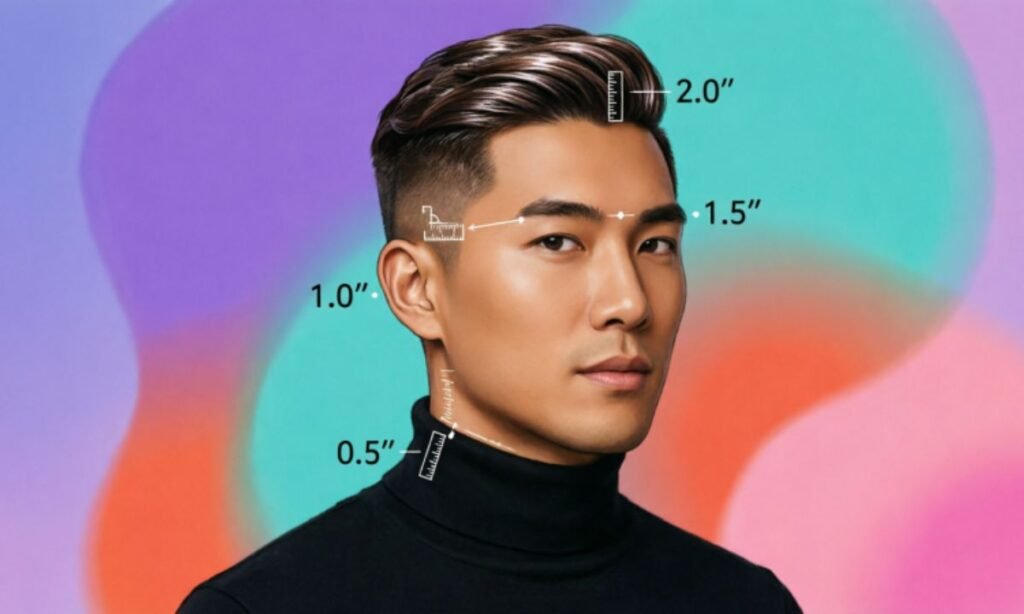
This is the cleanest, most no-fuss version of the cut. The top is kept short and even, the sides fade low into the skin, and the whole look stays sharp with minimal styling. It’s ideal if you want something that looks fresh every day without spending time on product or brushing.
Best for: guys who want a wash-and-go routine with barbershop polish.
Low Fade with Afro
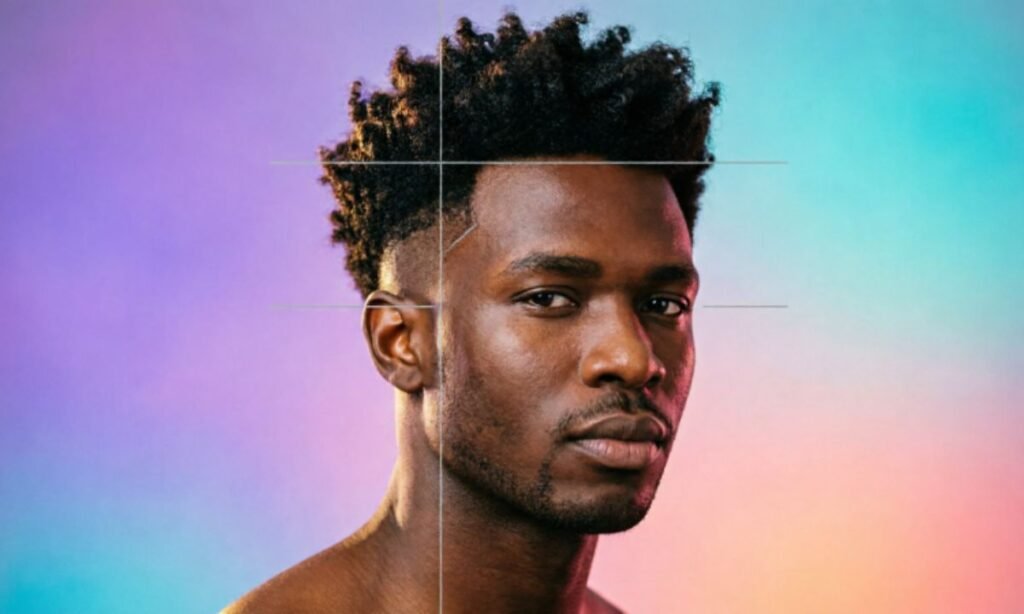
Here, the sides fade low while the top is left full and rounded, letting the natural afro texture stand out. This version needs enough length on top — usually around two inches — for the curls to cluster and hold shape. It’s a classic look that never really goes out of style.
Best for: dense 4A–4B hair types that hold volume well.
Low Fade with Curls
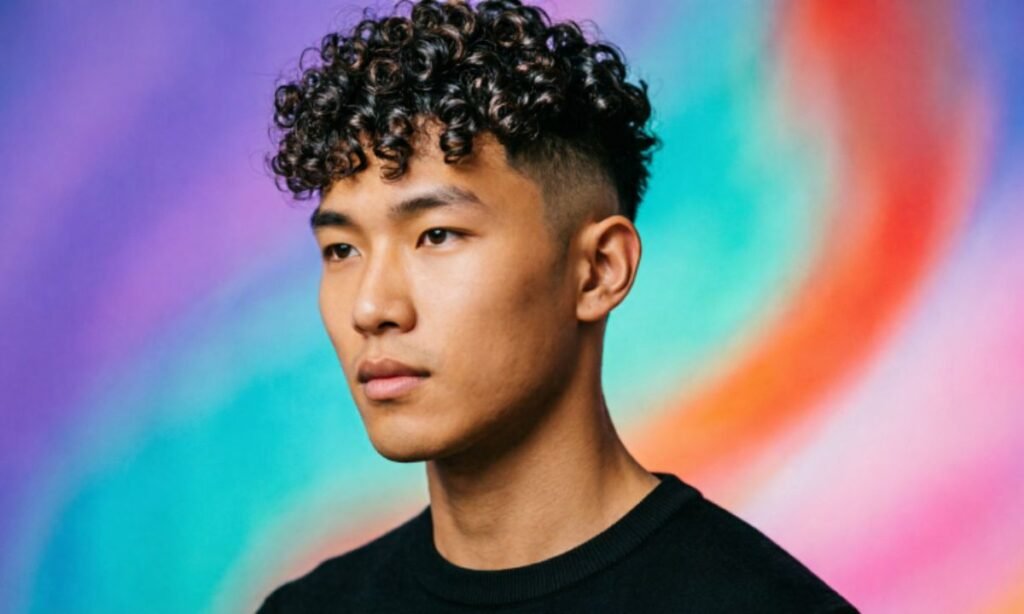
A low fade with defined curls on top brings texture and dimension without being flashy. The fade keeps the sides tight while the curls do the styling work themselves. A light curl cream or twist-out routine keeps the curls popping between cuts.
Best for: men who want texture on top with minimal daily effort.
Low Fade with Waves

Pairing a low fade with 360 waves is one of the most requested combinations for Black men. The low fade keeps things clean at the bottom, while the waves ripple across the top for a polished, put-together finish. Regular brushing and durag sessions at night are essential to keep the wave pattern sharp.
Best for: guys chasing deep, connected 360 waves.
Low Fade with Twists
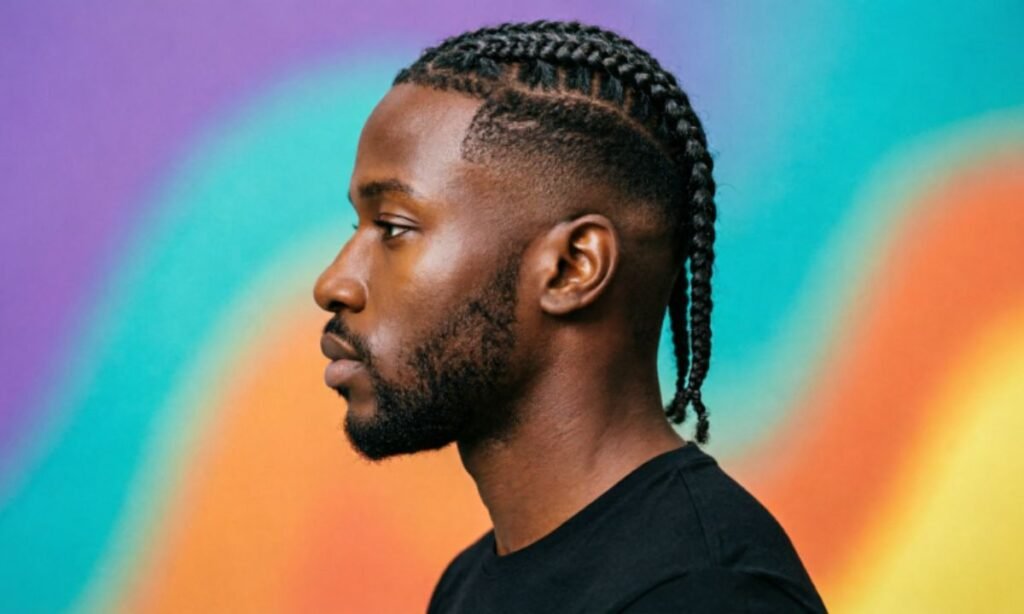
Twists on top with a low fade underneath give a stylish, textured look that’s still office-appropriate. The twists can be worn short and tight or slightly longer for more movement. This combo is popular because it looks deliberate and well-groomed without requiring daily restyling.
Best for: men who want a defined style with less daily upkeep than curls.
Low Fade with Dreads
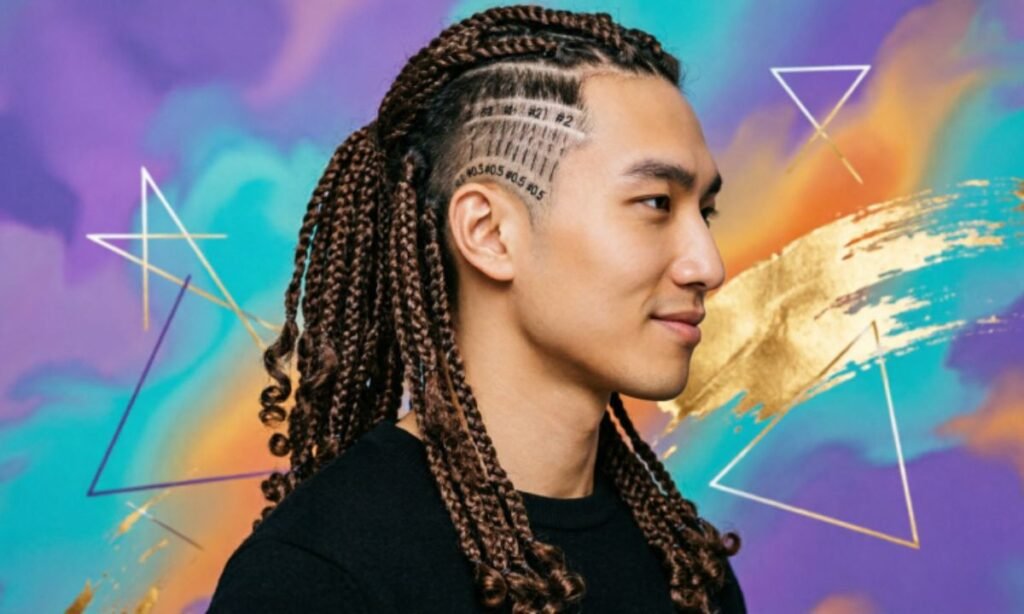
A low fade at the base with dreads or locs on top creates strong contrast between the clean sides and the textured length up top. This style works whether your locs are short and forming or long and mature. Regular retwisting keeps the roots neat and the fade sharp.
Best for: men growing or maintaining locs who still want a defined shape.
Low Fade with Beard
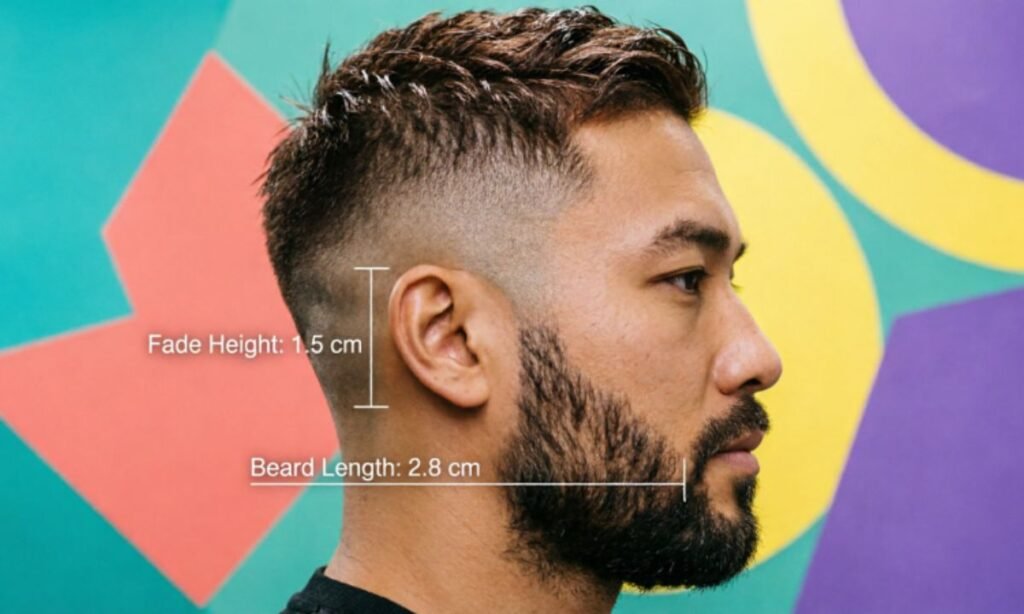
Connecting a low fade into a well-groomed beard is one of the sharpest combinations you can ask for. The temple area blends the haircut and beard into one continuous shape instead of two separate styles. This is a strong pick for anyone who wants their whole look — hair and facial hair — to feel intentional.
Best for: men who wear facial hair regularly and want a unified silhouette.
Low Fade vs Mid Fade vs High Fade (Quick Guide)
Choosing between fade heights comes down to how much contrast you want and how often you’re willing to get touch-ups.
| Fade Type | Fade Starting Point | Contrast Level | Best For |
| Low Fade | Above the ears, near the nape | Subtle to moderate | Everyday, professional settings |
| Mid Fade | Between the ear and temple | Balanced | Versatile, works for most styles |
| High Fade | Near the temple, higher up | Bold, dramatic | Statement looks, standing out |
A low fade is the safest, most versatile option. A mid fade offers a middle ground with a bit more edge. A high fade is the boldest choice and needs more frequent maintenance to stay sharp.
How to Explain a Low Fade to Your Barber
Miscommunication is the most common reason a haircut doesn’t turn out right. Be specific instead of just saying “give me a low fade.”
Try saying something like:
- “I want the fade to start just above my ears, not at the temple.”
- “Keep more length on the sides — I don’t want it to fade too high.”
- “Blend the fade smoothly into [my curls/waves/afro] on top.”
- “If we’re doing a beard blend, connect it at the temple, not as a separate line.”
- “Keep the lineup natural — don’t push the corners back.”
Bringing a reference photo helps, but describing your hair type and how you style it day to day helps your barber customize the cut instead of copying a photo that may not match your texture.
Common Mistakes to Avoid
Even a great haircut can go wrong with poor choices before, during, or after the cut. Watch out for these:
- Going too high without meaning to. Always confirm where the fade should start.
- Skipping touch-ups too long. A low fade starts looking messy after 3–4 weeks.
- Over-sharpening the lineup. Aggressive edge-ups every visit can push your hairline back over time.
- Ignoring your hair type. A style that works on straight hair may not translate to coily or kinky textures.
- Not moisturizing between cuts. Dry hair looks dull no matter how sharp the fade is.
- Using the wrong products for your texture. Heavy products can weigh down curls; light products may not hold waves.
- Not communicating changes. If you want a different top length or fade height than last time, say so clearly.
How to Maintain a Low Fade (Black Hair Care)
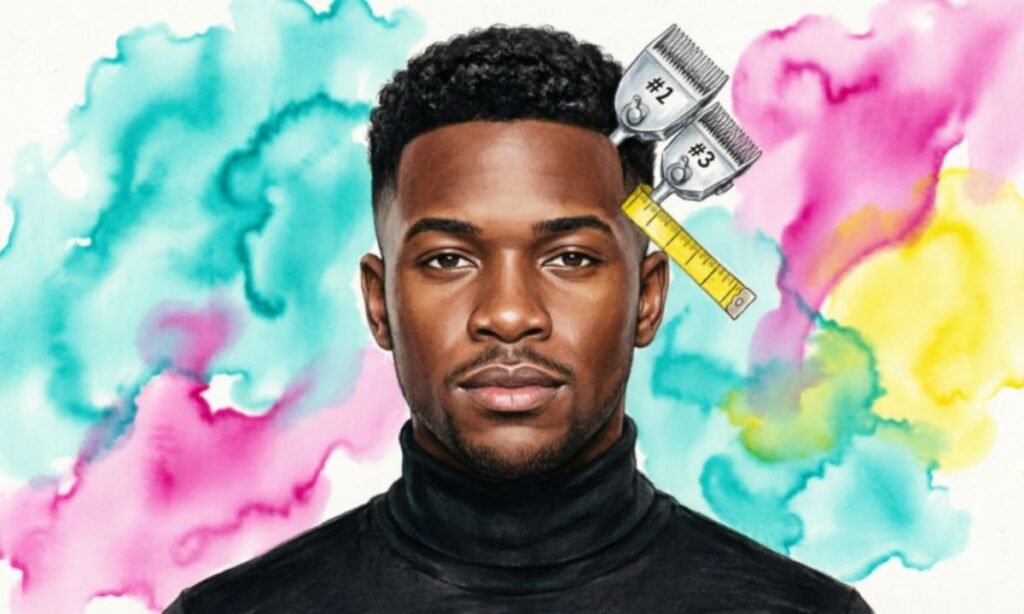
A sharp low fade doesn’t stay sharp on its own. A simple, consistent routine keeps the cut looking barbershop-fresh for longer.
Trim Frequency
Get a touch-up every 2–3 weeks. Because the fade blends gradually, small amounts of regrowth are less noticeable than with a high fade, but waiting past a month usually means losing the shape entirely.
Daily Care
- Moisturize with a light oil or leave-in conditioner to prevent dryness
- Brush waves or pat curls into place depending on your style
- Avoid heavy products that cause buildup on the scalp
Night Care
- Wear a silk or satin durag or bonnet to protect the style while you sleep
- Brush waves before bed to maintain the pattern
- Avoid cotton pillowcases, which pull moisture from the hair
Edge Maintenance
- Touch up the hairline every 1–2 weeks if you keep a sharp lineup
- Use a light touch — over-shaving the edges can cause thinning over time
- Let a professional handle major lineup work to avoid uneven edges
Best Face Shapes for Low Fades
A low fade is one of the more flexible cuts when it comes to face shape, but a few pairings stand out:
| Face Shape | Why It Works |
| Oval | Nearly any low fade variation works well |
| Square | Softens strong jawlines with rounded top volume |
| Round | Adds height and structure to balance width |
| Diamond | Low fade with a beard blend balances cheekbones |
Common Low Fade Mistakes to Avoid
A quick recap of the errors that most often ruin an otherwise great cut:
- Letting the fade grow out past 3–4 weeks
- Choosing a fade height without discussing it clearly with your barber
- Over-trimming the lineup on every visit
- Skipping moisturizer, leading to dry, dull-looking hair
- Using styling products that don’t match your hair texture
FAQs
Is a low fade good for Black men?
Yes. It works well with curls, coils, waves, and afros.
How long does a low fade last?
About 2–3 weeks before it needs a refresh.
Low fade vs low taper — which is better?
A low fade is sharper; a low taper is softer and more subtle.
Is a low fade professional?
Yes, it’s one of the most workplace-friendly fades available.
Can a low fade work with a beard?
Yes, blending the fade into the beard at the temple creates a clean, unified look.
Does a low fade suit thin hair?
Yes, it works well since less contrast is needed to look sharp.
Conclusion
A low fade is a haircut that never really goes out of style because it works with what you already have — your natural texture, your face shape, and your day-to-day routine. Whether you pair it with an afro, waves, twists, dreads, or a clean beard blend, the low fade gives you a sharp, adaptable look without demanding constant upkeep.
The key is communication with your barber, consistent touch-ups every 2–3 weeks, and a simple care routine at home. Get those right, and a low fade will stay one of the most reliable haircuts in your rotation.