

Undercut Fade vs Low Fade Comparison (2026)
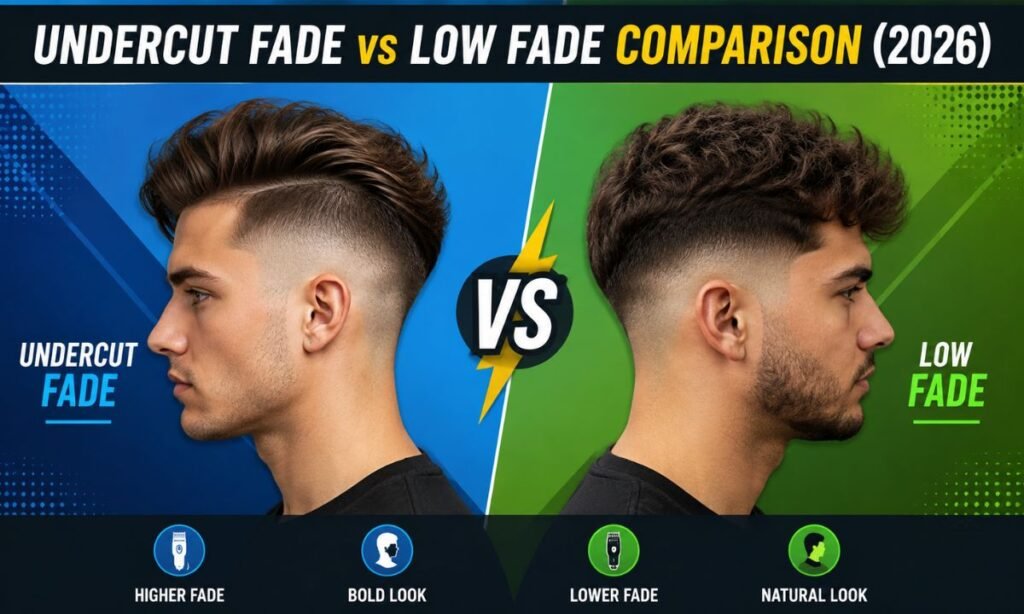
Choosing between an undercut fade and a low fade can be difficult because both styles offer a clean and modern look. The Undercut Fade vs Low Fade Comparison (2026) helps you understand the main differences between these popular haircuts.
An undercut fade usually creates a stronger contrast between the longer hair on top and the shorter sides. A low fade, on the other hand, gives a softer and more gradual transition for a balanced appearance.
In this Undercut Fade vs Low Fade Comparison (2026), we will look at style, maintenance, and overall appearance. This will help you choose the haircut that best matches your hair type and personal style.
What Is a Low Fade?
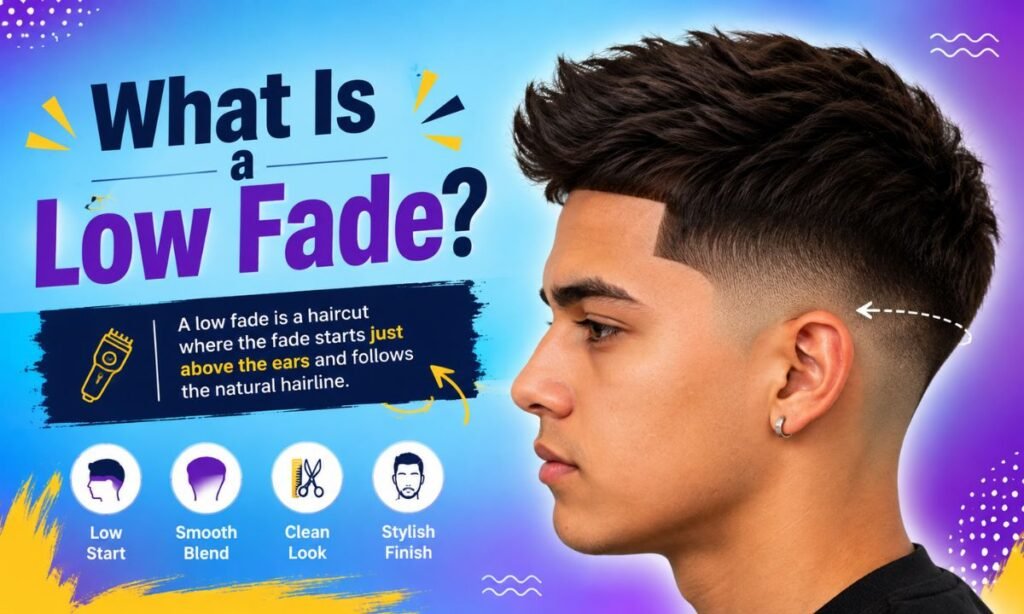
A low fade is a haircut where the fading starts just above the ear, close to the hairline, and gradually blends upward into longer hair on top. The transition from skin-short to longer length happens over a short distance, which keeps most of the head covered in hair and only fades a thin band near the bottom.
Because the fade line sits so close to the hairline, the overall effect is subtle. From a few feet away, a low fade can almost look like a regular haircut with neatly trimmed sides. It’s the quiet, professional cousin of the fade family — a style that blends in rather than stands out.
How it looks:
- The fade begins around half an inch above the ear
- Hair blends smoothly from short to long with no harsh lines
- Most of the head keeps a fuller, natural look
- Works with almost any top style — quiff, side part, comb-over, waves, or curls
- Looks like a soft gradient, similar to shading that fades gently into nothing
Why people choose it?
- Workplace-friendly: It reads as polished and conservative, which makes it a safe pick for offices, banks, law firms, and formal settings.
- Low maintenance: Because the fade line sits low, it grows out evenly and doesn’t need touch-ups as often.
- Versatile: It suits nearly every face shape and hair texture without much adjustment.
- Subtle confidence: It says “put together” without shouting for attention.
- Beginner-friendly: If you’ve never tried a fade before, a low fade is the easiest one to get comfortable with.
ALSO READ THIS:Best Line-Up Styles for Beginners for Men (2026)
What Is an Undercut Fade?
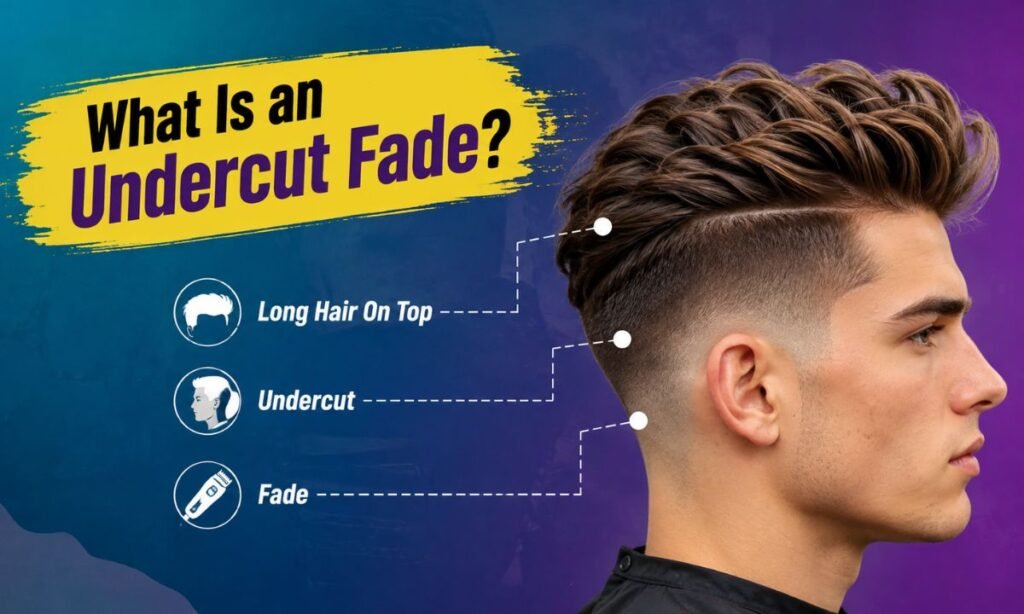
An undercut fade combines two ideas into one haircut. The undercut part means the sides and back are cut very short — often down to the skin — while the top is left noticeably longer. The fade part means that short section doesn’t just stop abruptly; it blends upward instead of ending in a hard line.
This is different from a classic disconnected undercut, where the sides are shaved short and the top hair sits on top with zero blending, creating a sharp, obvious step. An undercut fade softens that step with a gradual transition while still keeping the strong length contrast between the top and sides.
How it looks:
- Sides and back are cut very short, sometimes down to skin level
- The top hair stays long enough to style — think two to four inches or more
- There’s a clear, noticeable contrast between the long top and short sides
- The fade blends the short sides upward, avoiding a completely blunt line
- Works best with textured crops, pompadours, slick backs, quiffs, and messy top styles
Key Differences (Simple Table)
| Feature | Low Fade | Undercut Fade |
| Fade starting point | Just above the ear | Can start low, mid, or high, but sides go very short |
| Contrast level | Subtle, soft blend | Bold, high contrast |
| Top hair length | Flexible, can be short or medium | Needs to be longer to create contrast |
| Maintenance | Every 3-4 weeks | Every 2-3 weeks |
| Styling effort | Minimal, low product needed | Requires daily styling and product |
| Best for | Formal, professional settings | Trendy, fashion-forward looks |
| Face shape flexibility | Works on almost all face shapes | Works best on specific face shapes |
| Grow-out appearance | Grows out evenly and naturally | Can look uneven mid-growth |
Face Shape Guide
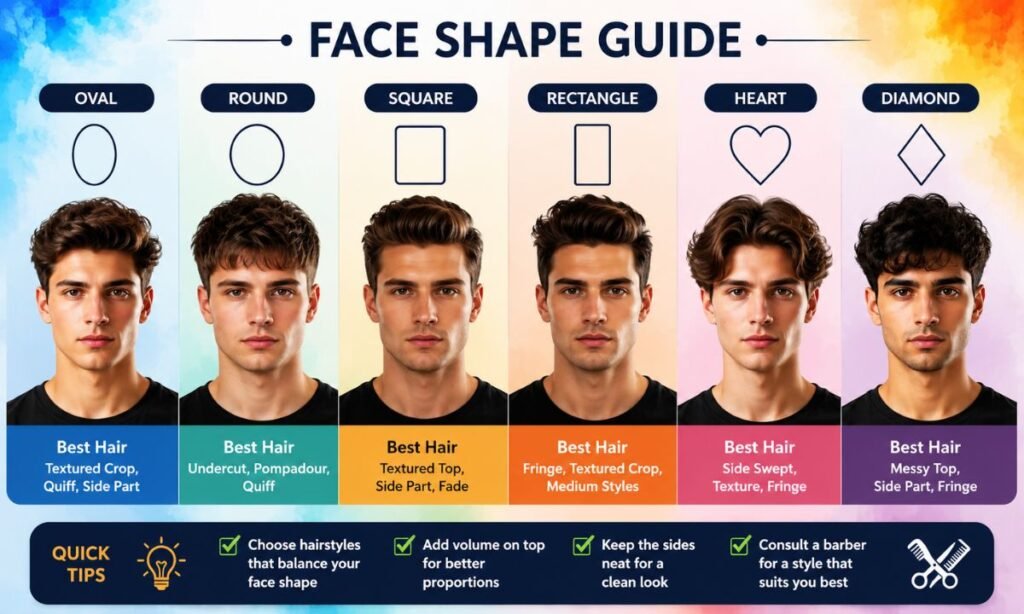
Your face shape plays a bigger role in how a haircut looks than most people expect. Here’s how each style works with common face shapes.
Round Face:
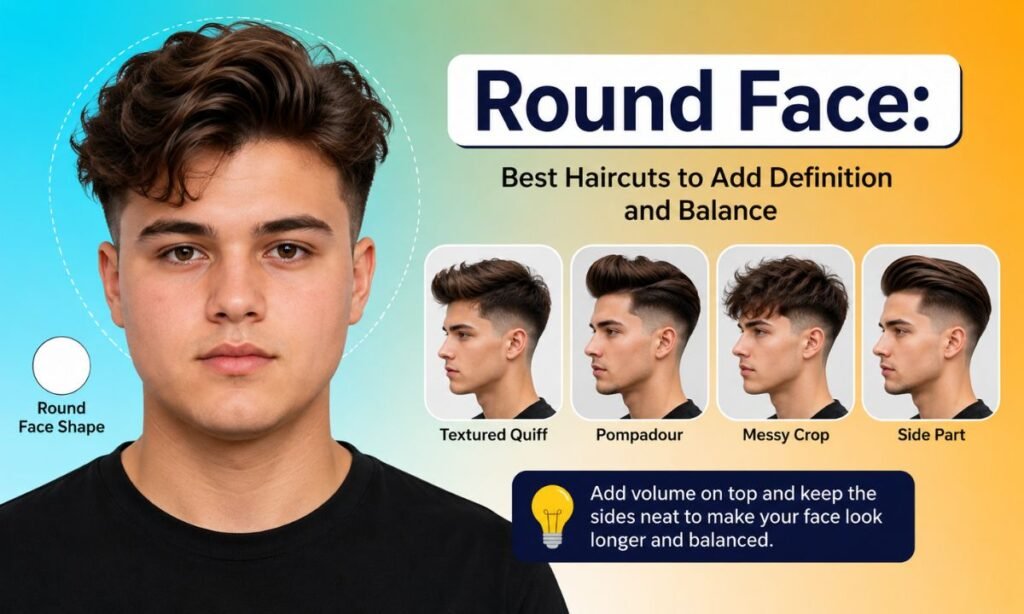
A low fade with added height on top helps elongate a round face. Avoid an undercut fade with a flat top style, since too much width on the sides can make the face look wider. Go for volume upward, not outward.
Square Face:
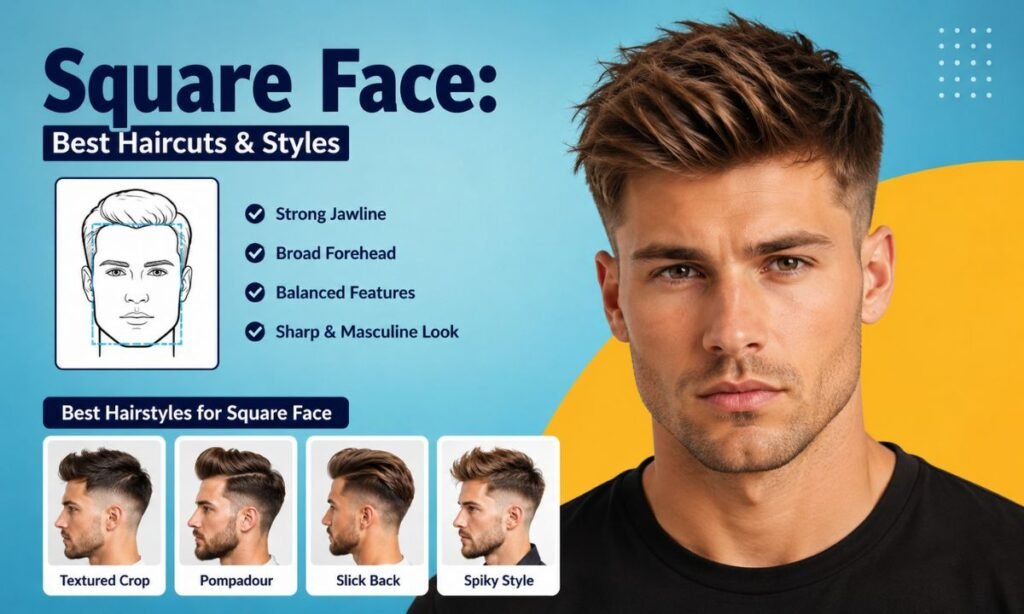
Both styles work well here because a strong jawline can handle contrast. An undercut fade actually complements sharp, angular features nicely, while a low fade keeps things balanced if you prefer a softer overall look.
Oval Face:
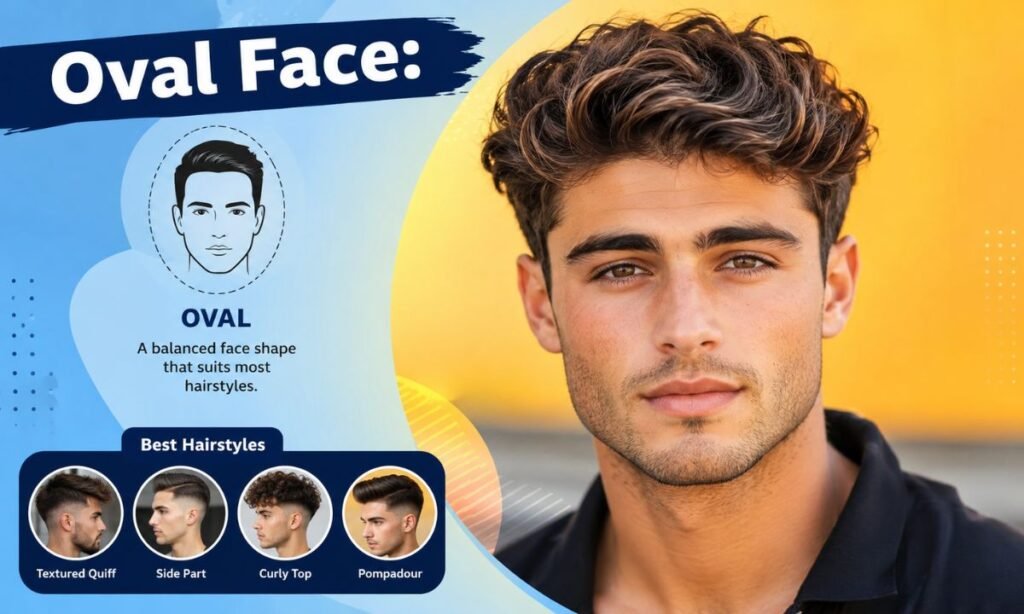
Oval faces are the most flexible shape, and almost any haircut suits them. Both the low fade and the undercut fade work equally well, so this decision comes down to personal style rather than face shape rules.
Heart or Diamond Face:
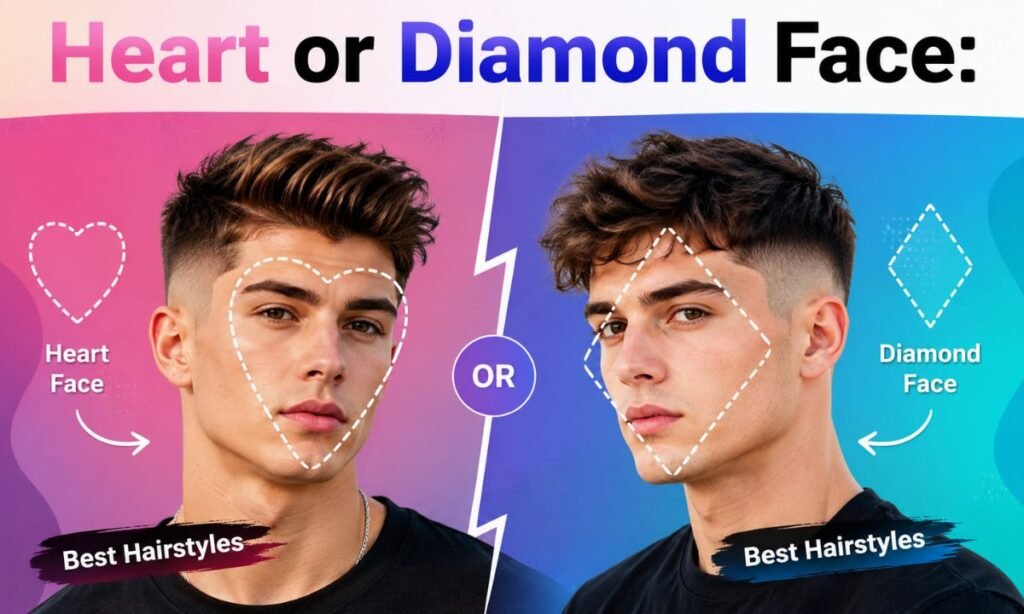
These face shapes are wider at the top and narrower at the chin, so keep the sides neat and avoid too much bulk near the temples. A low fade tends to look cleaner here, while an undercut fade should be paired with a top style that adds width lower down, like a textured fringe.
Long/Rectangular Face:
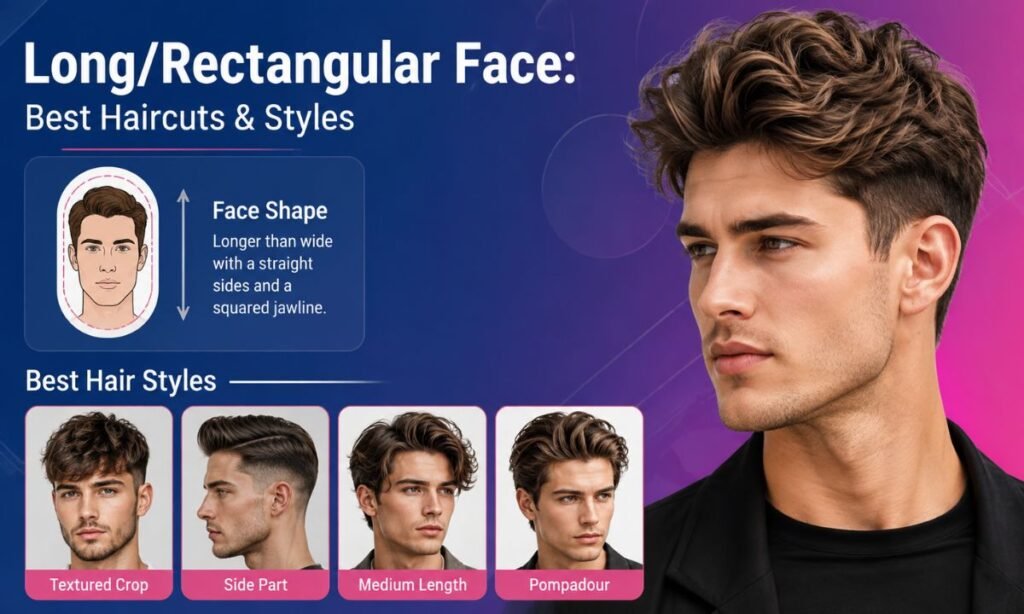
Avoid adding extra height on top, since it can make the face look even longer. A low fade with a side part or a shorter top style balances proportions better than a tall, voluminous undercut fade.
Hair Type Guide
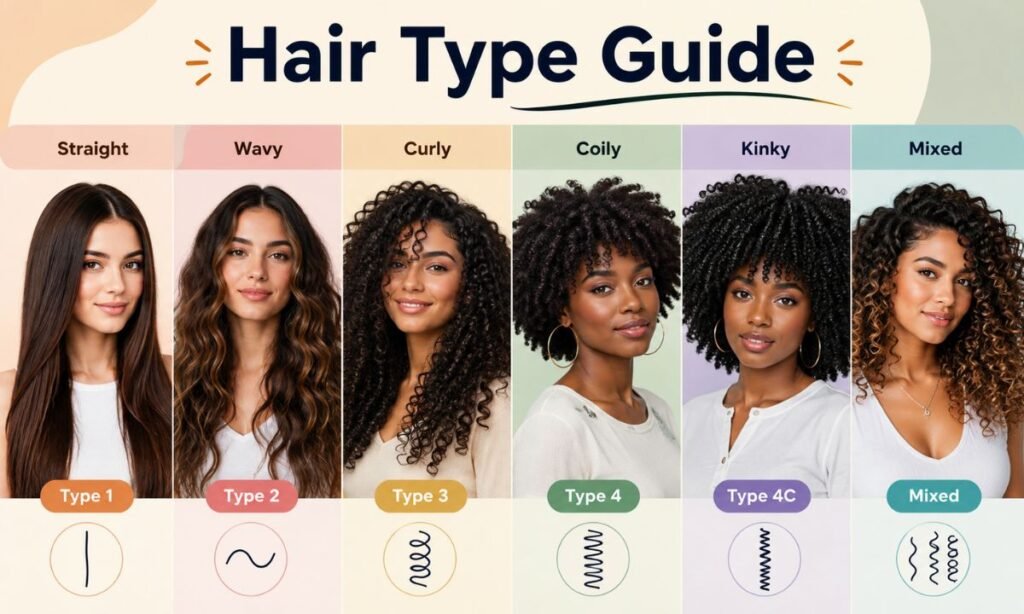
Hair texture changes how easily each style holds its shape and how much upkeep it needs.
- Straight Hair: Both styles work well. The choice comes down to how much contrast you want.
- Wavy Hair: A low fade blends waves naturally without much effort. An undercut fade gives waves more room to show texture on top.
- Curly Hair: A low fade keeps curls easier to manage day to day. An undercut fade puts curls on display and creates a bold, voluminous look up top.
- Thick Hair: A low fade removes bulk gradually, which usually looks smoother. An undercut fade can look uneven on very thick hair if the barber isn’t skilled with the transition.
- Fine or Thin Hair: A low fade adds the appearance of density without overwhelming the hair. An undercut fade may expose thinning spots more clearly because of the strong contrast.
Low Fade vs Undercut Fade: Which One Should You Choose?
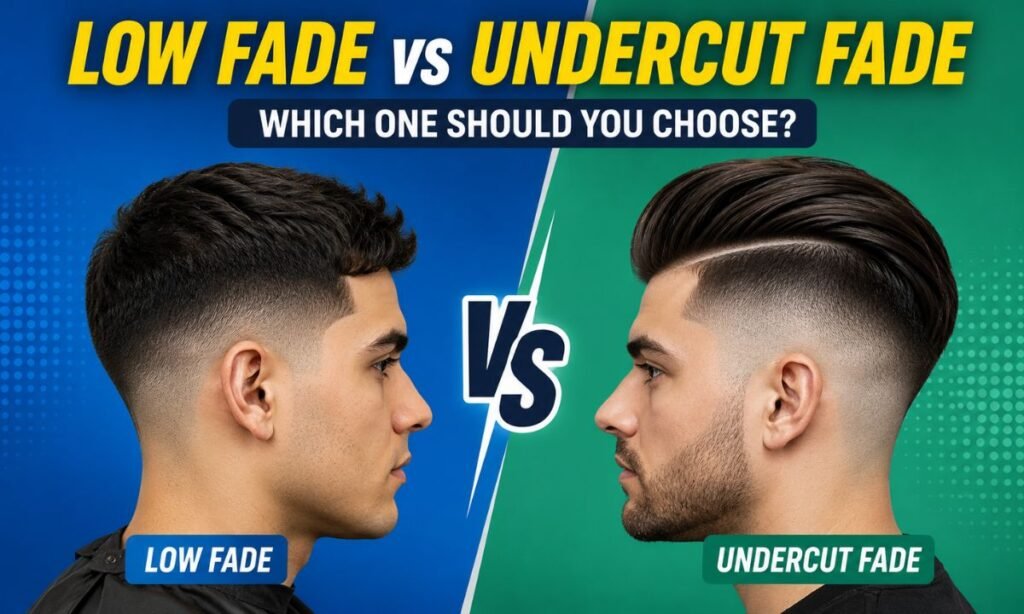
There isn’t a universal winner — it depends on your lifestyle, hair, and how bold you want to go.
Choose a low fade if you:
- Work in a formal or conservative environment
- Want a haircut that needs less daily styling
- Prefer a subtle, clean look over a dramatic one
- Have fine or thinning hair
- Want something that grows out gracefully between barber visits
Choose an undercut fade if you:
- Want a bold, fashion-forward look
- Have thick hair on top that can hold shape and volume
- Don’t mind spending a few extra minutes styling each morning
- Visit the barber every two to three weeks without issue
- Like standing out rather than blending in
How to Ask Your Barber for Each Style
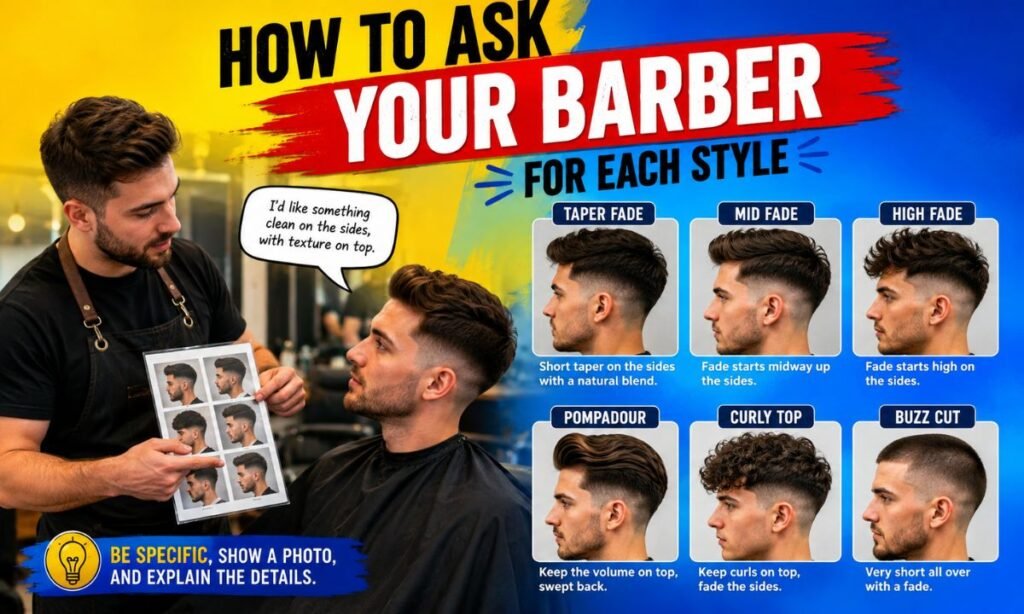
Getting the right result starts with clear communication. Here’s what to say:
- For a low fade: Ask for a “low fade” and specify the number guard for the sides, such as a #2 or #3, blending up into your natural length on top.
- For an undercut fade: Ask for an “undercut fade” or “faded undercut,” and mention you want the sides taken down to skin or a #0.5, with a clear contrast against the top length.
- Bring a reference photo. Verbal descriptions can be interpreted differently, so a picture removes any guesswork.
- Mention your face shape and hair type if your barber doesn’t ask. A good barber will adjust the fade height based on both.
Maintenance Tips for Both Styles
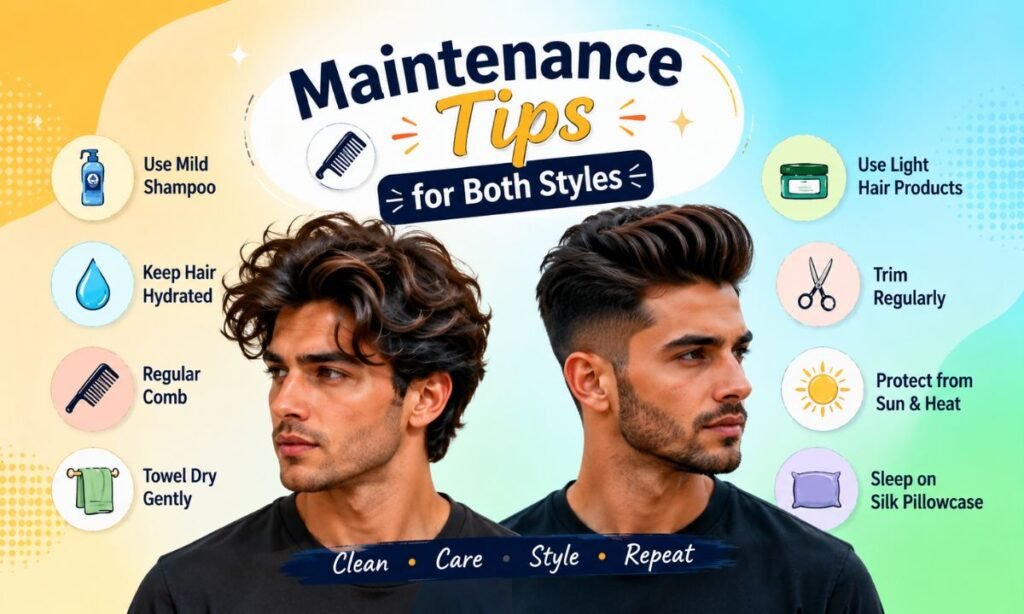
- Book touch-ups every 2 to 4 weeks depending on how fast your hair grows.
- Use a lightweight pomade or matte clay for the low fade to keep the top natural-looking.
- Use a stronger hold paste or wax for the undercut fade to maintain height and texture on top.
- Trim the fade line yourself between visits using clippers if you’re comfortable, but leave the blending to a professional.
- Keep the scalp moisturized if you’re going skin-short on the sides, since dryness and irritation are common with very short cuts.
Frequently Asked Questions
Is an undercut fade the same as a low fade?
No. An undercut fade has short sides with strong contrast against a longer top, while a low fade blends more gradually and looks softer overall.
Which fade is more professional, low fade or undercut fade?
A low fade generally looks more professional and is accepted in most workplaces without issue.
Does an undercut fade suit round faces?
It can, but pairing it with too much flat width on top may make a round face look wider, so added height works better.
How often do I need a touch-up for an undercut fade?
Every 2 to 3 weeks, since the strong contrast grows out faster than a low fade.
Can I get a low fade with curly hair?
Yes, a low fade works well with curly hair and makes it easier to manage day to day.
Which style is easier to maintain at home?
The low fade is easier to maintain since it needs minimal styling and grows out more evenly.
Does hair type affect which fade I should choose?
Yes, thick and curly hair tends to suit an undercut fade for showing off volume, while fine hair often looks better with a low fade.
Is the undercut fade going out of style in 2026?
No, it remains popular, especially the skin-fade version, though styling preferences shift toward more textured, natural finishes.
Conclusion
Both the undercut fade and the low fade are excellent choices, but they serve different purposes. The low fade offers a clean, professional, low-maintenance look that suits nearly every face shape and hair type. The undercut fade delivers bold contrast and a fashion-forward edge that works best with thicker hair and specific face shapes.
If you want a safe, versatile option that fits any setting, go with a low fade. If you want to make a statement and don’t mind extra styling time, the undercut fade is worth trying. Either way, talk to your barber about your face shape and hair texture before committing — that conversation matters more than the trend itself.