
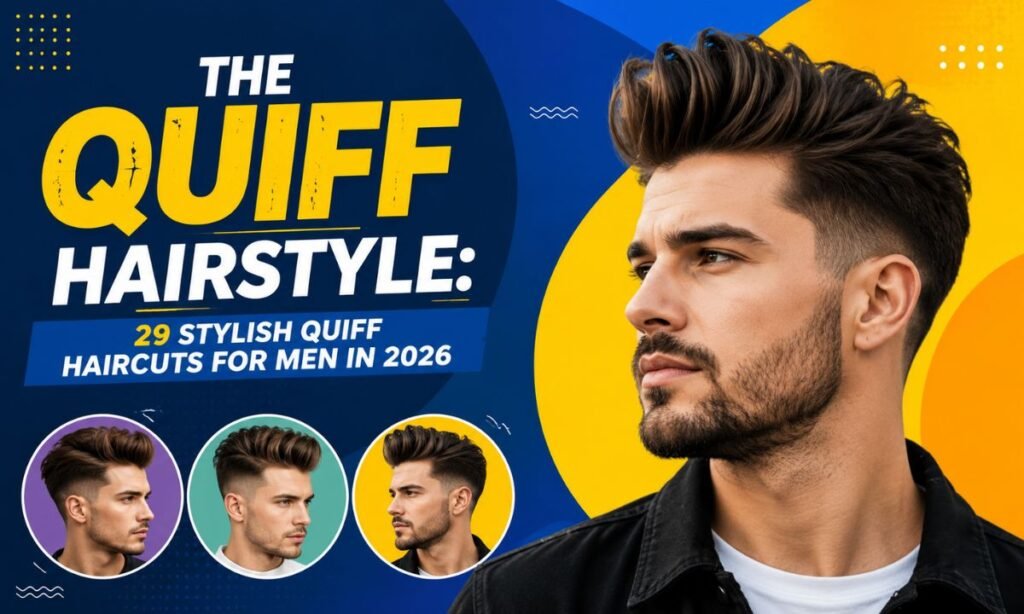
The quiff hairstyle is one of those men’s haircuts that keeps coming back because it is easy to adapt. It gives the hair height and shape at the front while keeping the sides neat. Depending on the cut and styling, a quiff can look classic, messy, textured, modern, or bold.
The best part is that there is no single way to wear a quiff. Straight, wavy, curly, thick, and fine hair can all work with the right length and styling method. You can also combine a quiff with a low taper, mid fade, high fade, skin fade, undercut, or beard.
In this guide, you’ll find 29 quiff hairstyle ideas for men, plus tips on hair length, face shape, styling, maintenance, and what to ask your barber for. Whether you want a clean office haircut or a more relaxed textured quiff, these ideas can help you choose the right look.
29 Best Quiff Hairstyle Ideas for Men
These quiff haircuts use the same basic concept: more length and volume at the front, with shorter sides. Small changes in texture, length, fade, and finish can create a completely different style.
1. Classic Quiff

The classic quiff is the foundation for many modern quiff haircuts. The hair on top is left longer, usually around four to five inches, and styled upward and slightly backward. The sides can be scissor-cut, tapered, or kept short for a clean finish.
Best for: Straight to slightly wavy hair and oval or square face shapes.
2. Messy Quiff

The messy quiff has a relaxed finish rather than a perfectly combed shape. The top is styled with separated pieces and natural movement, making it a good choice for casual outfits and everyday wear.
A matte clay or styling paste usually works better than a high-shine product when you want a natural finish.
Best for: Men who prefer relaxed, textured hairstyles.
3. Textured Quiff
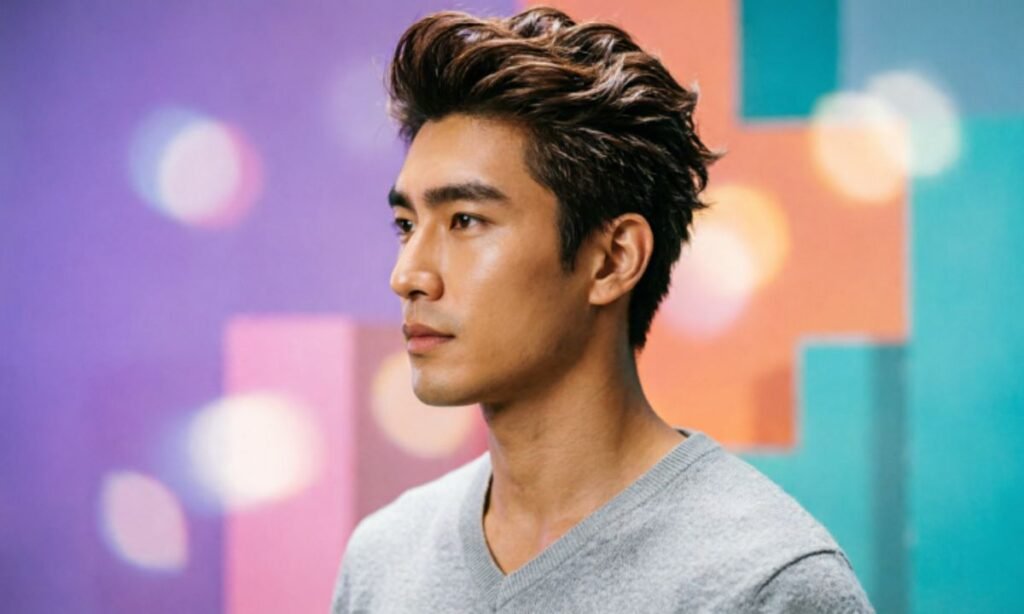
A textured quiff uses layers and point-cutting to create movement through the top. Instead of making the hair look like one smooth block, the texture gives individual sections more definition.
This style is especially useful when you want volume without a very polished appearance.
Best for: Medium to thick hair that holds texture well.
4. Modern Quiff
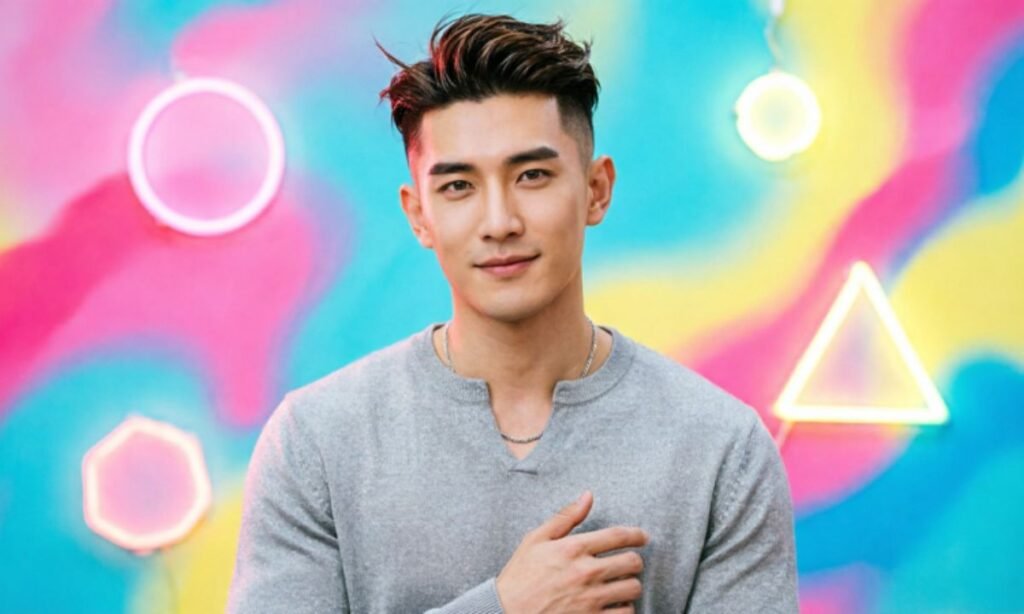
The modern quiff takes the traditional shape and gives it a more natural finish. Instead of heavy shine and rigid styling, it often uses matte products and a softer shape. A low fade or taper can make the haircut look even cleaner.
Best for: Men who want a contemporary and versatile haircut.
5. Short Quiff
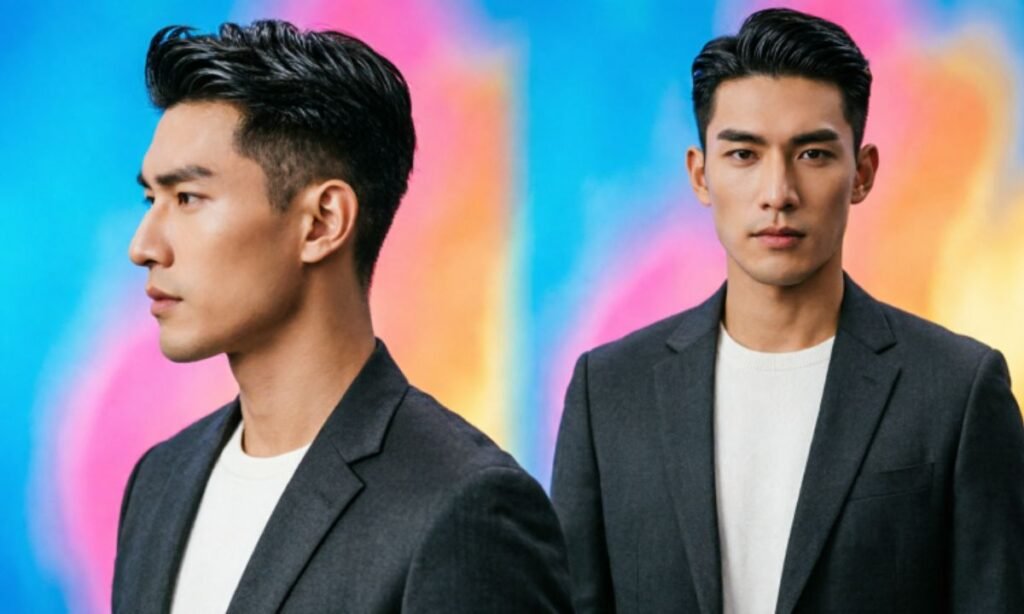
The short quiff keeps the top compact and reduces the amount of height. It is easier to style than a longer quiff and works well for men who want a professional haircut without a long morning routine.
Best for: Beginners and low-maintenance hairstyles.
6. Quiff Fade
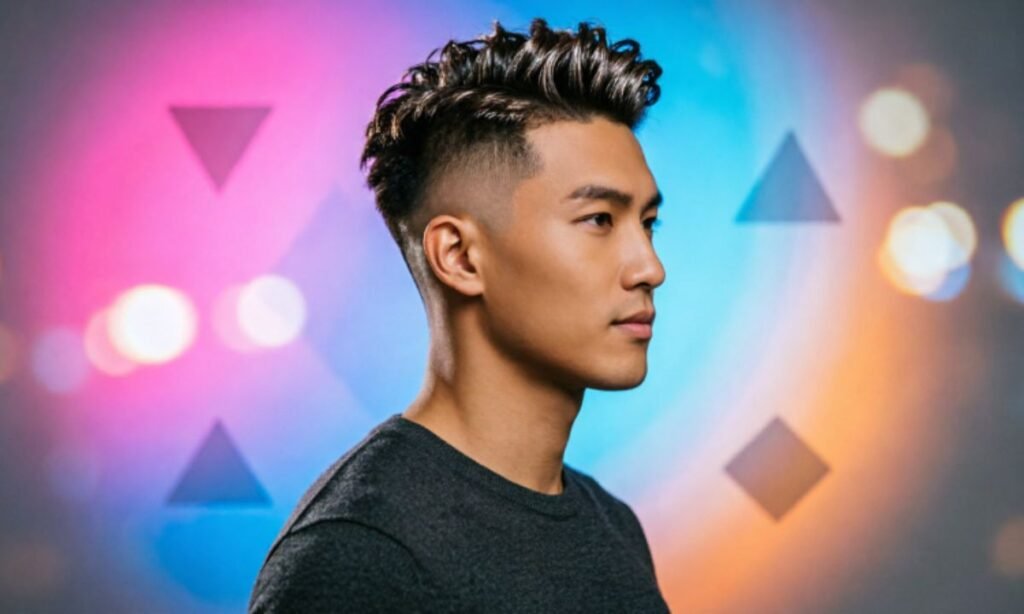
A quiff fade combines volume on top with gradually shorter sides. The fade can be low, mid, high, or even taken down to the skin, depending on how much contrast you want.
The result is a clean haircut with a strong difference between the longer top and shorter sides.
Best for: Men who want a sharp, modern quiff haircut.
7. Medium Quiff

The medium quiff sits between a short and long version. It leaves enough length for noticeable height but is still practical for everyday styling.
You can wear it higher on some days or push it forward and keep the finish more relaxed.
Best for: Men who want one haircut with several styling options.
8. Quiff With Beard
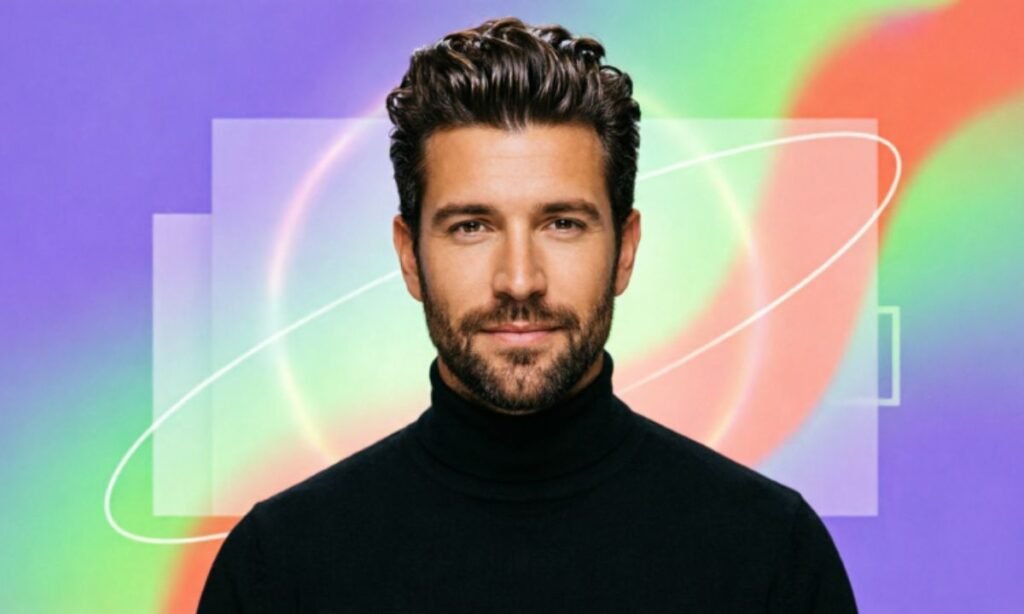
A quiff with a beard adds balance between the height of the hairstyle and the lower part of the face. A short beard, full beard, or neatly trimmed stubble can all work depending on your overall style.
Keeping the beard edges clean helps the hairstyle look intentional rather than overgrown.
Best for: Men who like a mature, well-groomed appearance.
9. Short Quiff With Low Taper Fade

This haircut combines a short quiff with a low taper around the ears and neckline. The taper creates a subtle transition without removing too much hair from the sides.
It is a good choice if you want a clean haircut that is less dramatic than a high fade.
Best for: Professional, understated everyday styles.
10. Tousled Textured Quiff With Low Fade
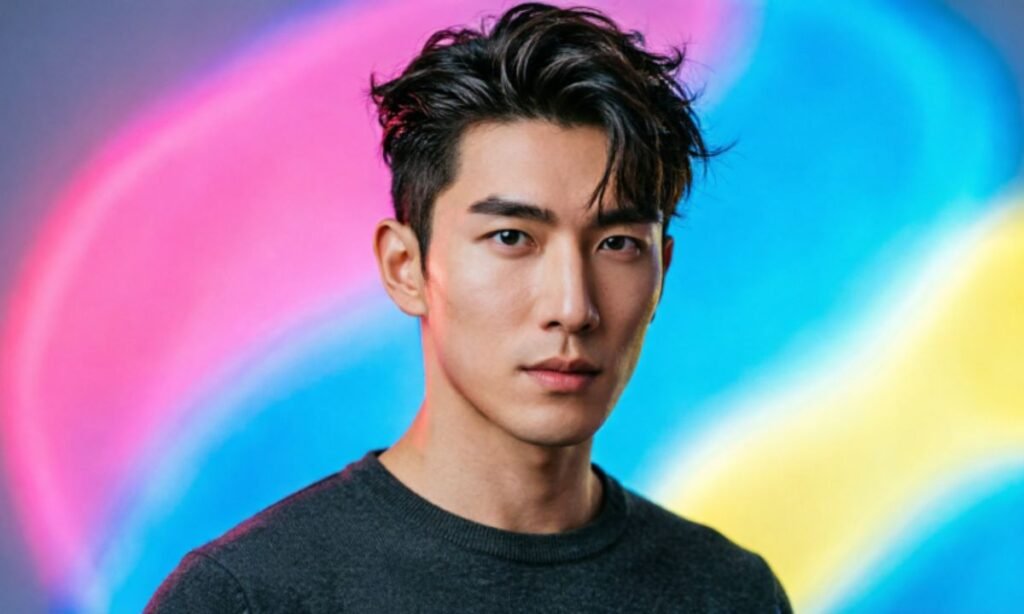
The tousled quiff adds loose movement to the top while the low fade keeps the sides neat. Finger styling works well because it avoids making the top look too uniform.
A small amount of matte paste can help separate the hair without making it stiff.
Best for: Casual looks with visible texture.
11. Wavy Quiff
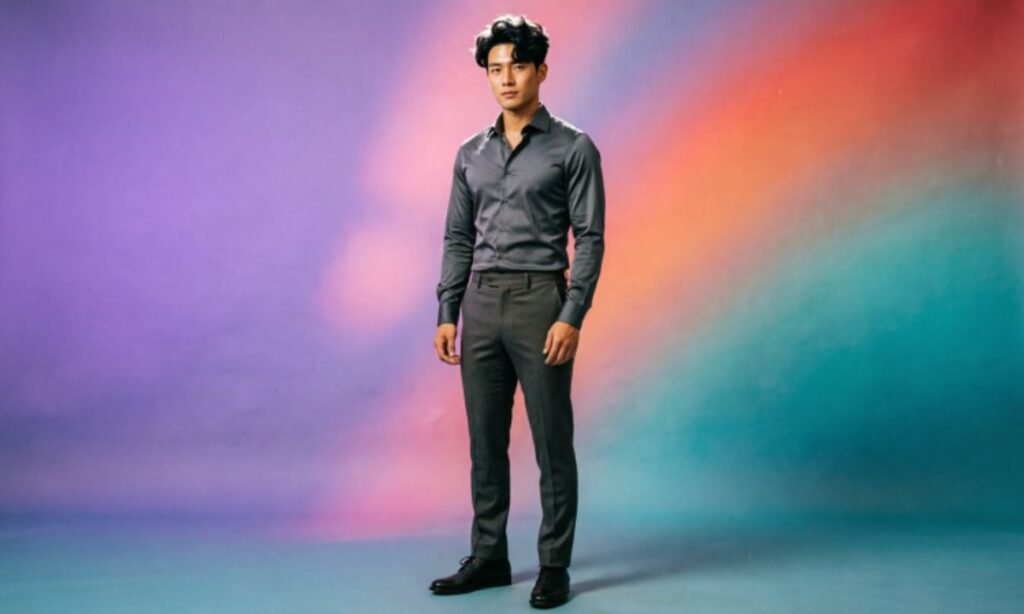
Natural waves can make a quiff look fuller and more relaxed. Instead of trying to remove the wave, the haircut works with the natural texture and uses the front section to create height.
A light styling cream or sea-salt spray can help enhance the texture.
Best for: Naturally wavy hair.
12. Short Textured Quiff With Mid Fade
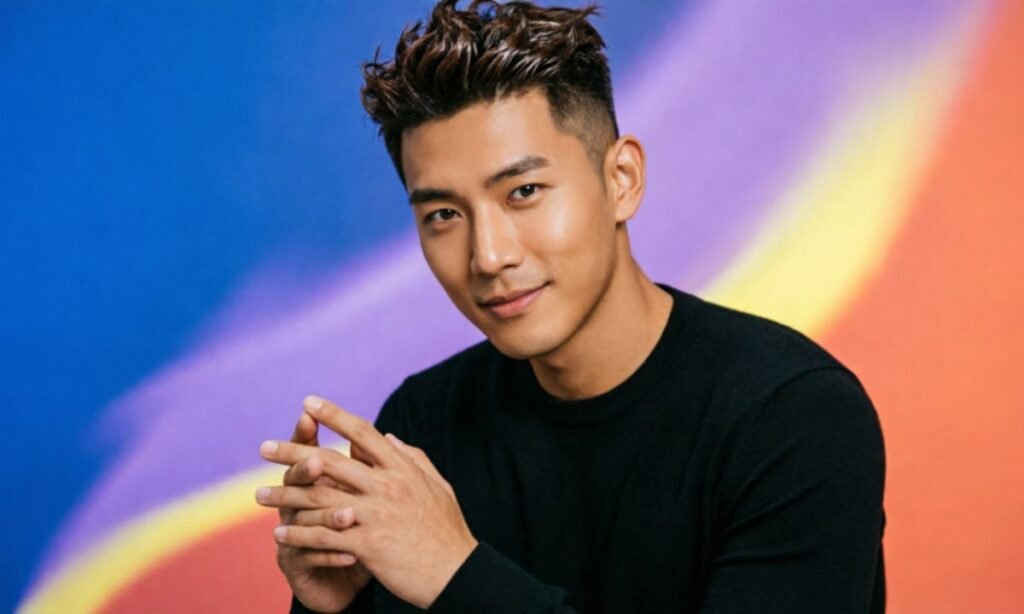
A mid fade starts higher on the sides than a low fade, creating more contrast. Pairing it with a short textured top gives the haircut a clean, athletic appearance.
This version is a good middle ground between a subtle low fade and a dramatic high fade.
Best for: Men who want noticeable fade contrast.
13. Messy Quiff With Taper Fade

The messy quiff keeps the top relaxed while the taper fade provides a clean outline around the sides and neckline. The combination gives you texture without making the haircut look unkempt.
Best for: Everyday styling with a balance of casual and neat.
READ THIS “Low Taper Fade: 20 Stylish Haircut“
14. Long Quiff
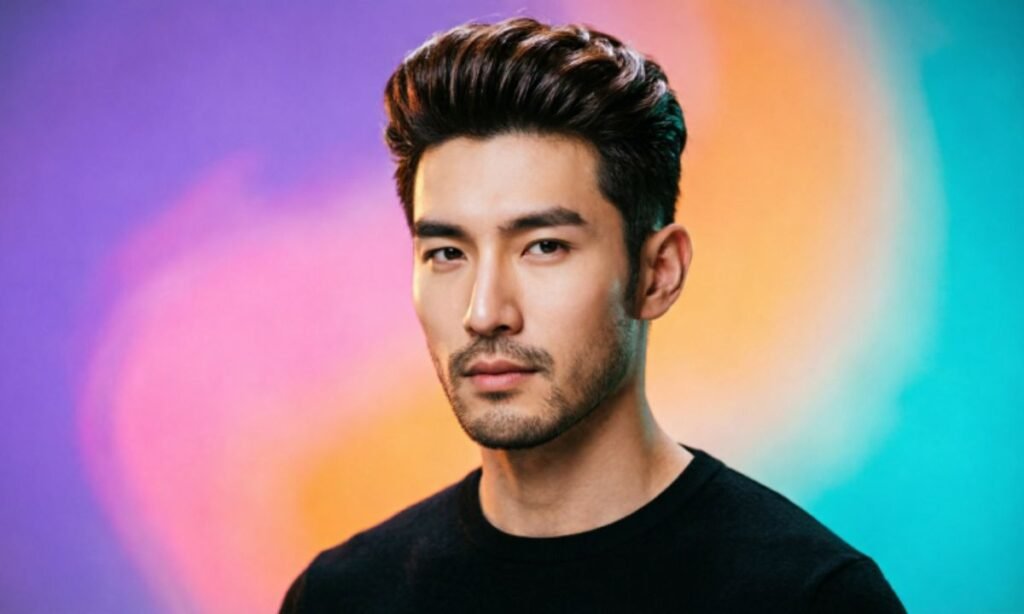
The long quiff leaves substantial length on top so you can create more height and a larger front sweep. It gives you more styling freedom but also requires more time and product.
A blow dryer is particularly useful for directing the front upward and backward.
Best for: Medium to thick hair and bold styles.
15. Thick Quiff Fade
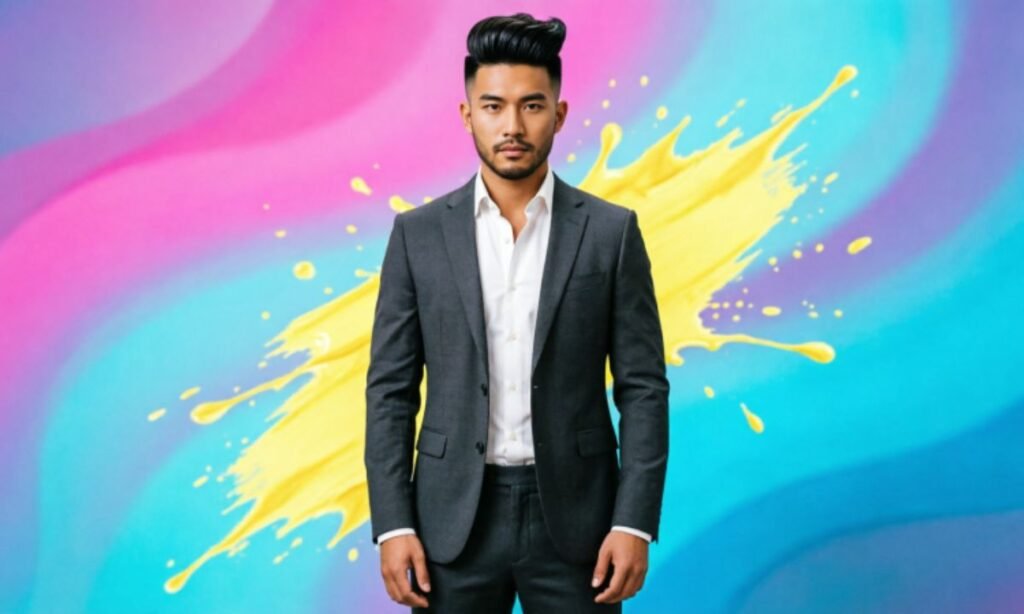
Thick hair naturally provides volume, making it a strong match for a quiff. A fade removes weight from the sides while allowing the top to keep its fullness.
Ask your barber to remove enough bulk from the top if your hair becomes difficult to control.
Best for: Thick or coarse hair.
16. Full Textured Quiff With Low Skin Fade
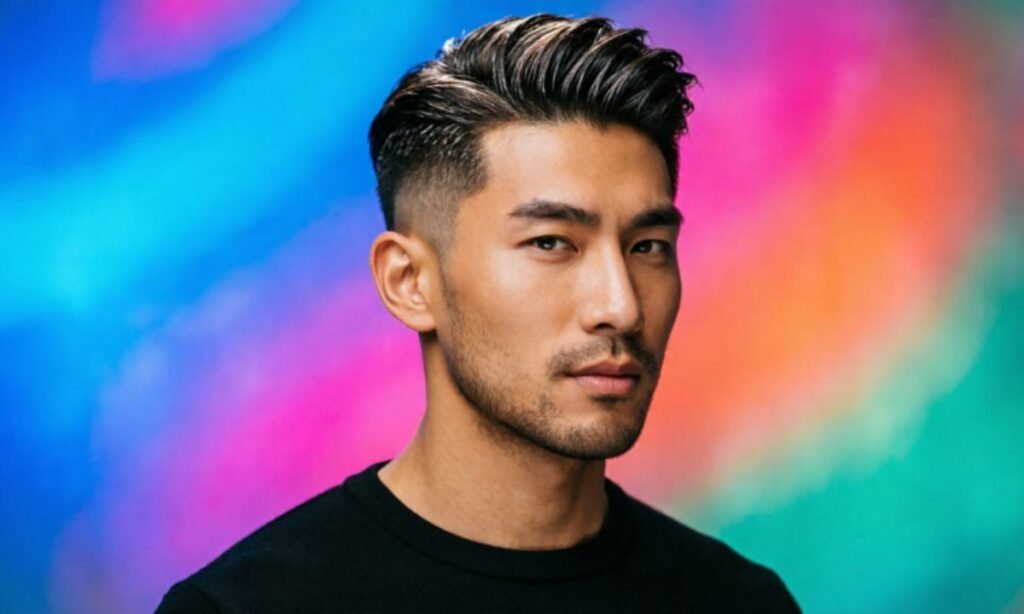
A low skin fade takes the sides very short near the bottom while keeping the top full and textured. This creates clear contrast without pushing the fade too high.
The fuller top gives the style plenty of volume, while the skin fade keeps the outline crisp.
Best for: Men who want strong contrast with a fuller top.
17. Tousled Short Quiff With Low Fade
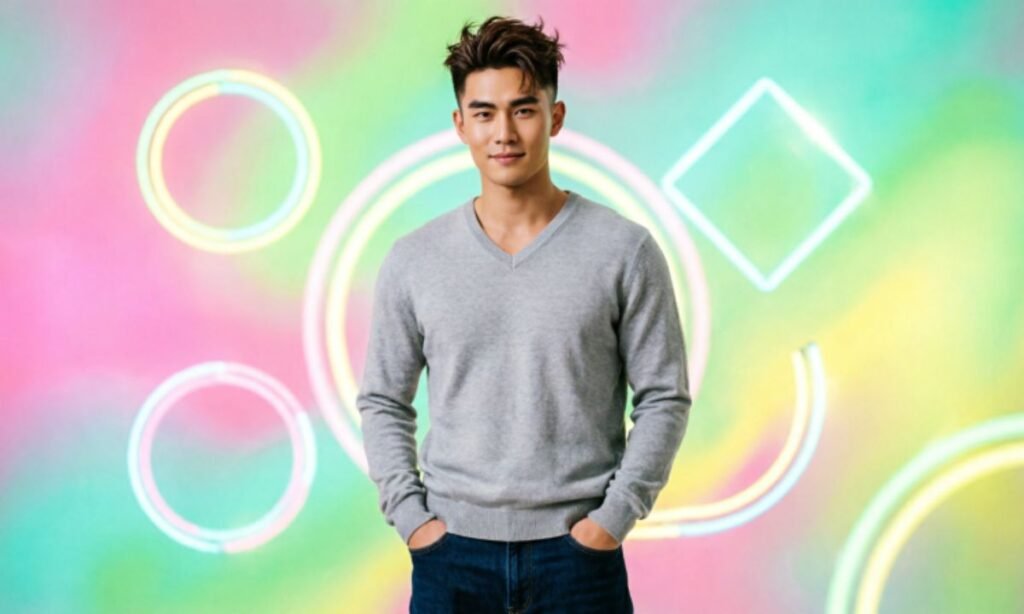
This shorter version combines a low fade with a loose, tousled top. It does not require the height or length of a traditional quiff, so styling is relatively simple.
Best for: Low-maintenance daily styling.
18. Messy Wavy Quiff With Low Taper
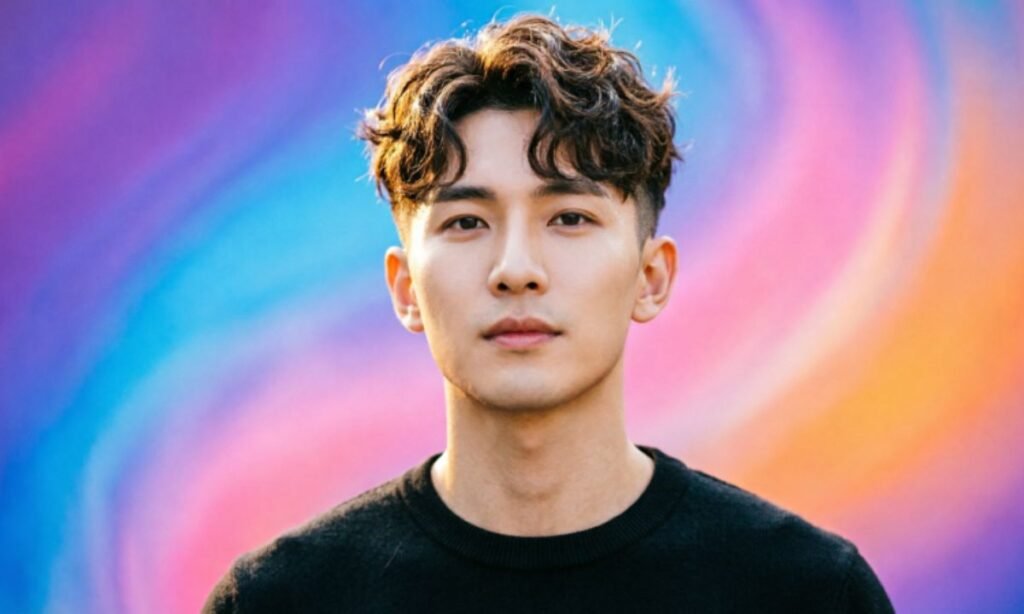
Wavy hair and a low taper create a natural-looking combination. The waves provide movement while the taper keeps the edges controlled.
Use a lightweight product so the natural wave does not become heavy or greasy.
Best for: Wavy hair and relaxed styling.
19. Natural Quiff With High Fade
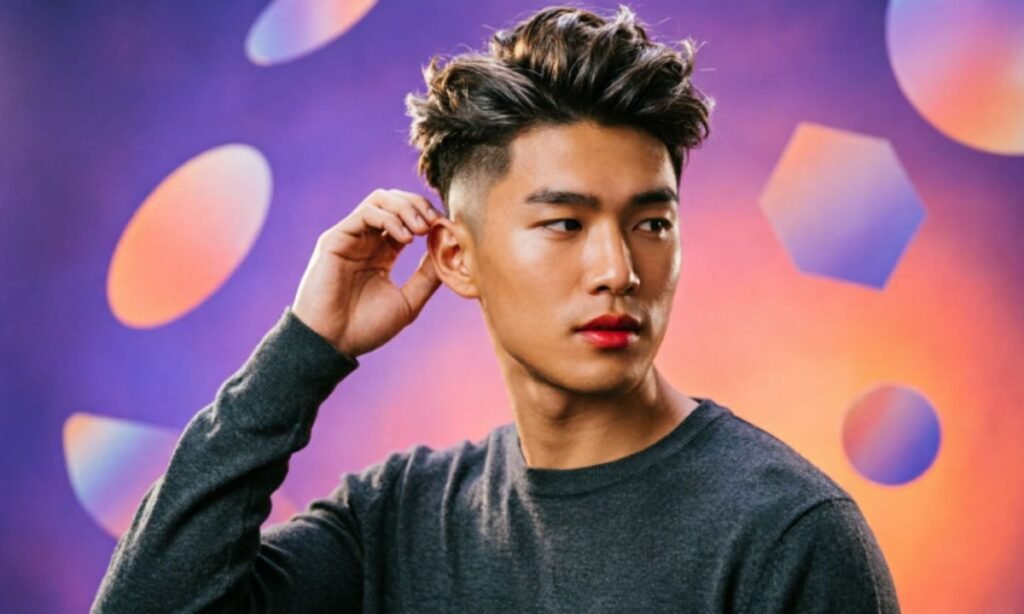
A high fade removes more hair from the sides and creates strong contrast with the top. Keeping the quiff natural and matte prevents the haircut from looking overly formal.
Best for: High-contrast modern hairstyles.
20. Undercut Quiff
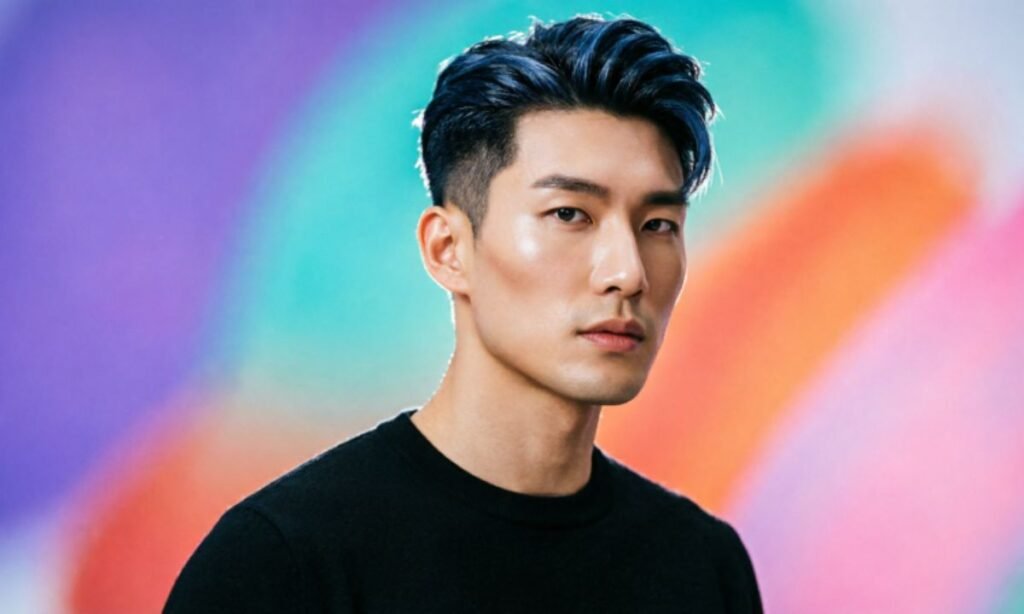
An undercut quiff has a clear separation between the longer top and shorter sides. Unlike a fade, the sides do not gradually blend into the top.
This creates a bold, graphic appearance that can be styled in several ways.
Best for: Men who want a strong, defined contrast.
21. Short Quiff With Drop Fade and Beard
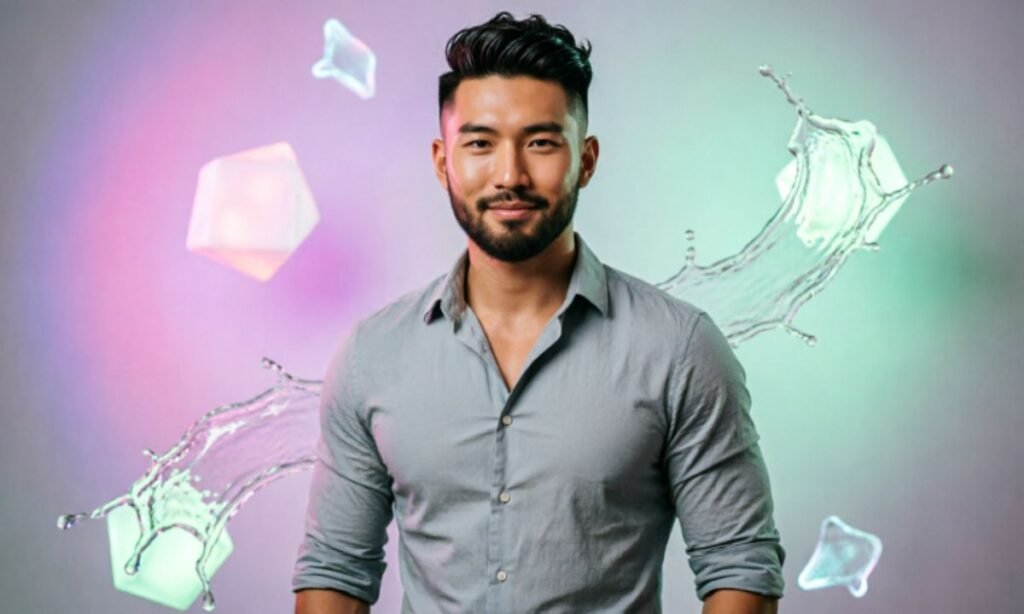
A drop fade curves down behind the ear, giving the sides a distinctive shape. Combined with a short quiff and beard, it creates a balanced and sporty look.
Best for: Men who want a modern haircut with a distinctive fade.
22. Textured Quiff With Sharp Fade
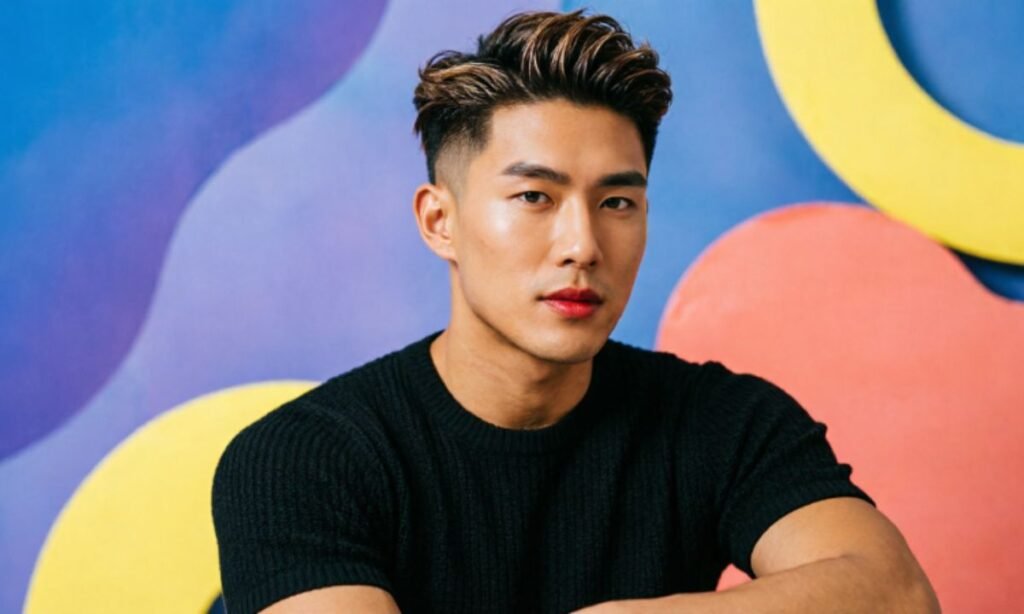
This version uses a strongly textured top with a precise fade. The contrast between the messy texture and clean sides makes the haircut stand out.
Best for: Men who like a combination of rough texture and sharp edges.
23. Blonde Quiff
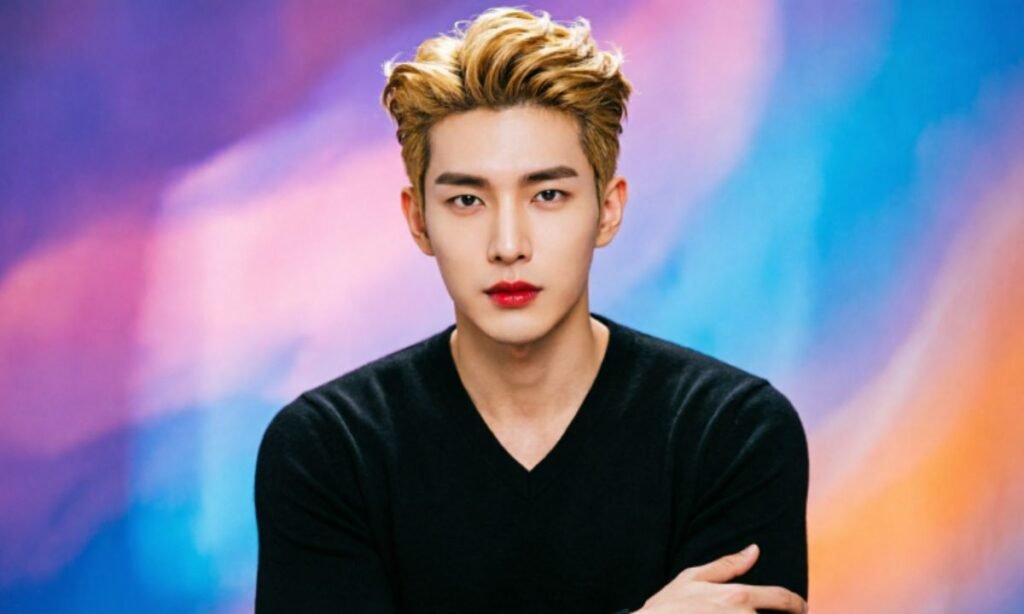
Adding blonde color to the top can make a quiff more noticeable. The sides can remain natural, tapered, or faded to keep the attention on the longer top.
If you already have chemically treated hair, use suitable conditioning and heat protection to help reduce dryness.
Best for: Men looking for a noticeable change.
24. Long Quiff Fade
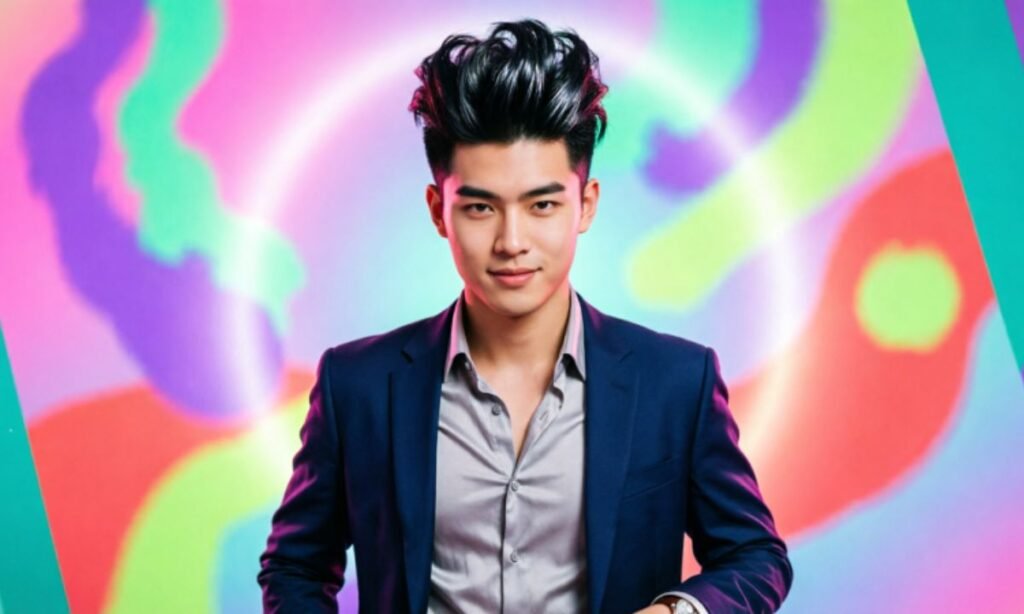
The long quiff fade combines extra length on top with closely faded sides. The height and contrast make this one of the more dramatic quiff hairstyles.
Because of the extra length, expect to spend more time blow-drying and shaping the top.
Best for: Thick or medium-density hair and bold looks.
25. Straight Smooth Quiff With Mid Skin Fade
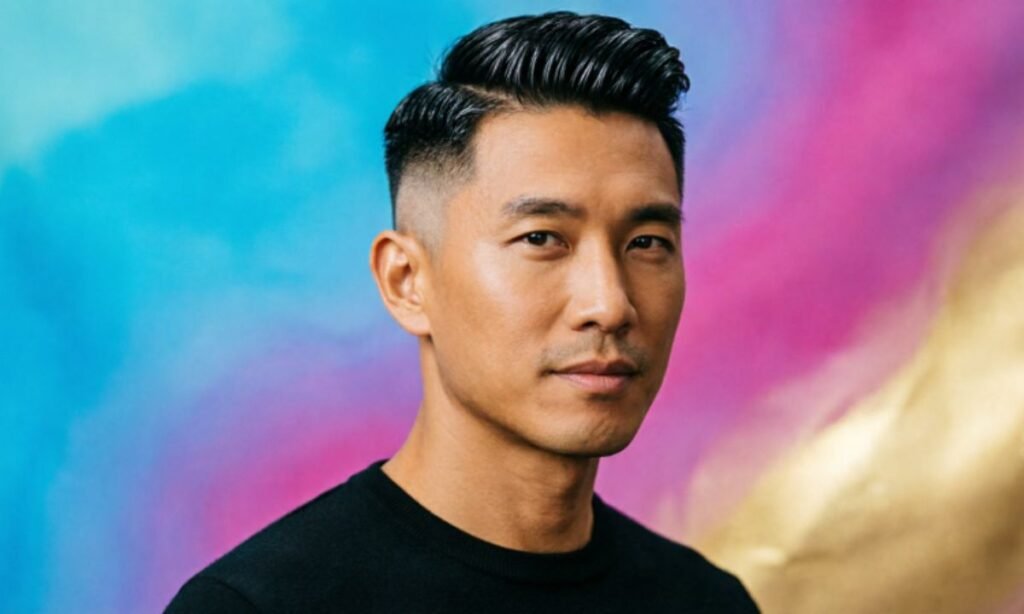
This haircut has a smooth, controlled top rather than a heavily textured finish. A mid skin fade creates contrast and gives the sides a clean appearance.
The styling sits closer to a classic gentleman’s haircut while still keeping the recognizable quiff shape.
Best for: Formal events and polished everyday styles.
26. Curly Quiff
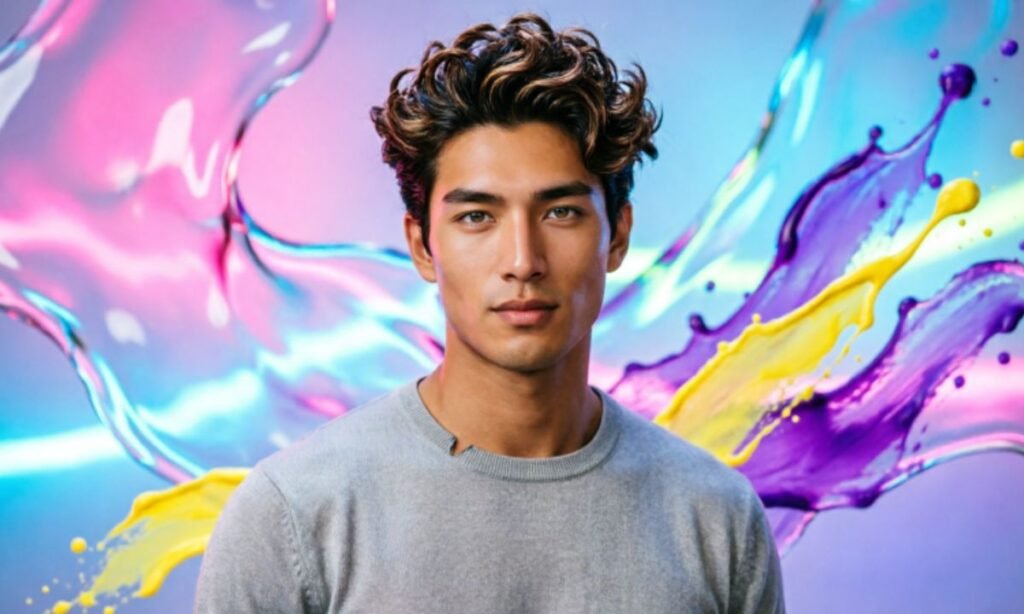
Curly hair can give a quiff plenty of natural volume. Instead of trying to make every curl straight, the cut should work with the curl pattern and keep enough length at the front.
A curl cream or lightweight styling product can help define the curls while keeping the shape flexible.
Best for: Naturally curly hair.
27. Pompadour Quiff

The pompadour quiff combines the lifted front of a quiff with some of the height and structure associated with a pompadour. It can be styled with more volume and shine than a modern matte quiff.
Best for: Dressier outfits and men who enjoy high-volume hairstyles.
28. Textured Fringe Quiff
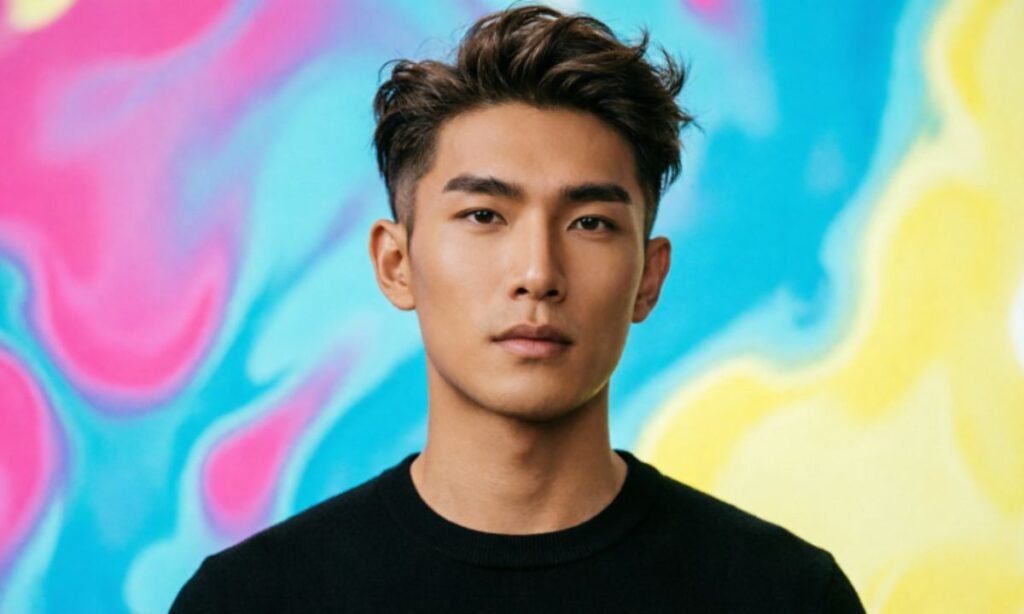
The textured fringe quiff keeps some hair forward over the forehead while the rest of the top is lifted. This creates a softer shape than a fully swept-back quiff.
It is also useful for men who do not want all of their forehead exposed.
Best for: Medium-length hair and softer, textured styles.
29. Disconnected Quiff
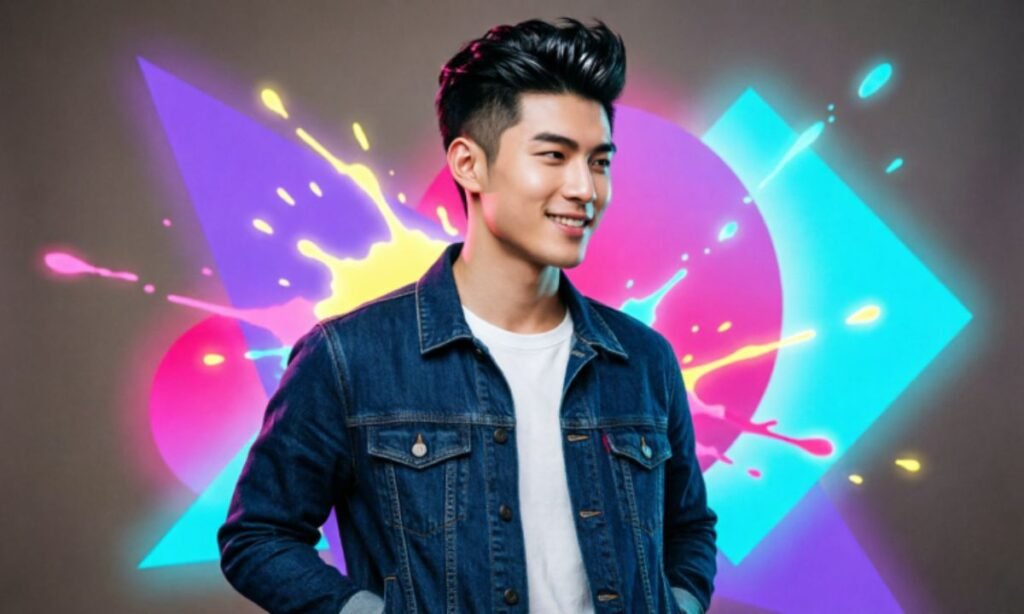
A disconnected quiff has a noticeable separation between the long top and very short sides. There is little or no gradual blending, so the contrast is obvious.
This is one of the bolder quiff variations and works best when the top has enough length to create a clear shape.
Best for: Men who want maximum contrast and a statement haircut.
Quick Comparison of Popular Quiff Haircuts
| Quiff Style | Best Hair Type | Styling Effort | Fade or Taper |
| Classic Quiff | Straight, wavy | Low to medium | Optional |
| Messy Quiff | Most hair types | Low | Optional |
| Textured Quiff | Medium, thick | Medium | Optional |
| Short Quiff | Straight, wavy | Low | Optional |
| Quiff Fade | Most hair types | Medium | Yes |
| Wavy Quiff | Wavy | Low to medium | Optional |
| Curly Quiff | Curly | Low to medium | Optional |
| Thick Quiff Fade | Thick, coarse | Medium | Yes |
| Long Quiff | Medium, thick | High | Optional |
| Undercut Quiff | Straight, thick | Medium | No |
| Pompadour Quiff | Straight, thick | High | Optional |
| Long Quiff Fade | Medium, thick | High | Yes |
What Is a Quiff Haircut?
A quiff is a men’s hairstyle with extra length at the front and top. The hair is usually lifted upward and directed slightly backward to create height and volume, while the sides are kept shorter.
The quiff is related to several classic men’s hairstyles, including the pompadour and brush-up. The main difference is the shape and finish. A modern quiff is often softer and more natural, while a pompadour usually has more height and a more structured silhouette.
The haircut became especially well known during the 1950s, when rock-and-roll style helped make high-volume men’s hairstyles popular. Today, barbers combine the traditional quiff shape with fades, tapers, textured cuts, and modern matte styling products.
Is the Quiff Good for Different Hair Types?
Y
- The right quiff haircut can work with several hair textures, but the cut and styling method should match your natural hair.
- Straight hair: Easy to direct upward and backward.
- Wavy hair: Adds natural movement and volume.
- Curly hair: Creates a fuller, more textured quiff.
- Thick hair: Naturally supports height but may need weight removed.
- Fine hair: Benefits from a volumizing pre-styler and lighter products.
If your hair is fine or tends to fall flat, a shorter quiff may be easier to maintain than a very long version.
Choosing a Quiff for Your Face Shape
Your face shape can help you decide how much height, width, and texture to keep in the haircut.
| Face Shape | Quiff Style to Try | Why It Can Work |
| Round | Long or high quiff | Extra height can create a longer visual profile |
| Square | Textured or messy quiff | Texture can soften strong angles |
| Oval | Classic or pompadour quiff | Balanced proportions suit many styles |
| Long | Short quiff | Less height can help avoid adding extra length |
| Diamond | Textured fringe quiff | A softer front can balance narrower areas |
| Heart | Wavy or curly quiff | Added texture can help balance the lower face |
These are general guidelines rather than strict rules. Hair density, forehead height, and personal preference also matter.
How Long Does Hair Need to Be for a Quiff?
A classic quiff usually needs several inches of length on top. Around four to five inches can provide enough hair for a noticeable upward sweep, but the exact length depends on your hair texture and the style you want.
A short quiff can work with less length, while a long or pompadour-inspired quiff needs more. Your barber can recommend the right length based on how your hair grows and how much time you want to spend styling it.
How to Ask Your Barber for a Quiff
The word “quiff” can mean different things to different people, so be specific when talking to your barber.
- Explain the top length. Tell your barber whether you want a short, medium, or long quiff.
- Choose the sides. Ask for a taper, low fade, mid fade, high fade, skin fade, undercut, or scissor-cut sides.
- Describe the texture. Say whether you want the top smooth, natural, messy, or heavily textured.
- Explain the front. Tell your barber how much height you want and whether you want the hair swept back or left slightly forward.
- Mention your styling routine. If you do not want to blow-dry every morning, ask for a cut that works with less styling.
- Bring a reference photo. A photo is often the easiest way to communicate the exact shape you want.
How to Style a Quiff at Home
You do not need a complicated routine to style most quiff haircuts. Follow these steps:
Step 1: Start With Damp Hair
Wash or lightly dampen your hair and towel-dry it. Avoid soaking the hair because it will take longer to dry and style.
Step 2: Apply a Pre-Styler
If your hair is fine or lacks volume, use a lightweight mousse or volumizing product. A small amount is usually enough.
Step 3: Blow-Dry the Front Up and Back
Use a blow dryer while lifting the front with your fingers or a round brush. Direct the airflow from the roots toward the shape you want.
This step is important because the blow dryer helps create the foundation of the quiff.
Step 4: Add Your Main Styling Product
Use a small amount of matte clay or paste for a natural textured finish. Choose pomade if you want more shine and a smoother appearance.
Rub the product between your palms first, then work it through the hair from back to front.
Step 5: Shape the Quiff
Use your fingers for a relaxed finish or a comb for a cleaner appearance. Lift the front and sweep it slightly backward.
Step 6: Finish With Light Hold
If your hair loses its shape during the day, use a light hairspray. Avoid applying too much because excessive product can make the hair look heavy.
Best Products for a Quiff Hairstyle
The best styling product depends on your hair type and the finish you want.
- Matte clay: Good for texture, control, and a low-shine finish.
- Styling paste: Useful for flexible everyday styling.
- Pomade: Better for shine, smoothness, and classic quiff looks.
- Mousse: Helpful for fine hair that needs extra volume.
- Sea-salt spray: Useful for adding texture to straight or wavy hair.
- Hairspray: Adds extra hold after styling.
Start with a small amount. It is easier to add more product than to remove too much.
Common Quiff Styling Mistakes to Avoid
Even a well-cut quiff can lose its shape when it is styled incorrectly. Avoid these common mistakes:
Using Too Much Product
Heavy product can flatten the front, especially if your hair is fine. Start with a small amount and add more only when needed.
Skipping the Blow-Dry
If you want noticeable height, blow-drying the roots in the correct direction can make a big difference.
Choosing the Wrong Product
A shiny pomade may not be the best option for a messy textured quiff, while a dry clay may not give you the polished finish you want.
Ignoring Your Natural Hair Texture
Straight, wavy, and curly hair need different cutting and styling approaches. Work with your natural texture instead of forcing it into an unsuitable shape.
Making the Front Too Tall
More height is not always better. The right amount of volume should match your face shape, hair density, and personal style.
How Often Should a Quiff Be Trimmed?
Most quiff haircuts benefit from a trim every three to five weeks. If you have a fade or taper and want the sides to stay very sharp, you may prefer a shorter interval.
A classic scissor-cut quiff can usually go longer between visits because the sides do not depend on a very precise fade.
Your barber can also clean up the neckline and around the ears between full haircuts.
Quiff vs Pompadour: What Is the Difference?
The quiff and pompadour look similar because both use volume at the front. However, they are not exactly the same.
A quiff is generally more flexible, softer, and natural-looking. It can be messy, textured, tapered, faded, or worn with less height.
A pompadour usually has more height, a smoother shape, and a stronger swept-back structure. Traditional pompadours are also often styled with more shine.
If you want an everyday haircut that can be dressed up or down, the quiff may be the more flexible option.
Quiff vs Undercut
A quiff describes the shape and styling of the longer top, while an undercut describes the way the sides are cut.
A quiff can have an undercut, but it does not have to. An undercut creates a clear separation between the top and sides, while a fade or taper creates a gradual transition.
Does a Quiff Suit a Receding Hairline?
A quiff can work with some receding hairlines, but the right shape depends on how much recession you have and where your hair is strongest.
A softer, shorter quiff can sometimes blend naturally with the hairline. Avoid forcing the front too high if doing so makes the hairline more noticeable.
A skilled barber can adjust the fringe, top length, and texture to create a more natural result.
Is a Quiff Low Maintenance?
It depends on the version.
A short quiff with a taper can be relatively easy to maintain. A long quiff, pompadour quiff, or high-volume style usually needs more blow-drying and product.
If you want a low-maintenance quiff, tell your barber that you want a style that can be shaped quickly with your fingers and a small amount of product.
Final Thoughts
The quiff hairstyle remains popular because it gives men plenty of ways to personalize the same basic shape. You can keep it short and simple, add texture for a casual look, use a fade for sharper contrast, or leave more length for dramatic volume.
The best quiff is not necessarily the tallest or most complicated one. It is the version that matches your hair type, face shape, daily routine, and personal style.
Before your next barber appointment, choose one or two quiff haircut ideas from this guide and use them as references. Then ask your barber to adjust the length, texture, and sides to suit your hair.
FAQs About the Quiff Hairstyle
Is the quiff hairstyle still in style in 2026?
Y
- The quiff remains a versatile men’s haircut in 2026. Modern versions often use textured tops, matte products, tapers, and fades instead of the very glossy finishes associated with older styles.
What hair length is best for a quiff?
Around four to five inches on top works well for many classic quiffs, but shorter and longer versions are possible. Your ideal length depends on your hair texture and desired amount of height.
Can men with curly hair get a quiff?
Y
- Curly hair can create natural volume and texture. A barber should shape the top according to your curl pattern rather than treating it like straight hair.
Is a quiff good for a round face?
Y
- A quiff with moderate height can help create a longer visual profile. Avoid making the sides too wide if your goal is to make the face look more elongated.
What is the difference between a quiff and a pompadour?
A quiff is generally softer and more flexible, while a pompadour is usually higher, smoother, and more structured. Both styles use volume at the front.
What product is best for a quiff?
Matte clay or paste is a good choice for a textured, natural quiff. Pomade works well for a smooth, shiny finish, while mousse can help fine hair achieve more volume.
How often should I get a quiff trimmed?
A trim every three to five weeks is a useful general range. Faded sides may need more frequent maintenance if you want them to remain sharp.
Can I wear a quiff to work?
Y
- A classic, short, or neatly textured quiff can look professional. Keep the finish controlled and avoid excessive height if your workplace has a conservative dress code.
Can a quiff work with a fade?
Y
- Low, mid, high, skin, and drop fades can all be combined with a quiff. The best choice depends on how much contrast you want and how often you want to maintain the sides.
Is a quiff easy to style?
Short and medium quiffs are usually easier to style than long, high-volume versions. A quick blow-dry and a small amount of styling product are often enough for a basic quiff.

1 thought on “The Quiff Hairstyle: 29 Stylish Quiff Haircuts for Men in 2026”