

A low taper fade with a beard is one of the sharpest, most versatile combinations in men’s grooming right now. It works with almost every hair texture, keeps maintenance manageable, and gives your face a cleaner, more defined outline without asking you to change your whole look.
If you’re trying to decide whether this cut fits you, how to describe it to your barber, or how to keep it fresh between visits, this guide covers all of it — styles, face shape tips, upkeep, and the mistakes that ruin an otherwise great haircut.
What Is a Low Taper Fade with Beard?
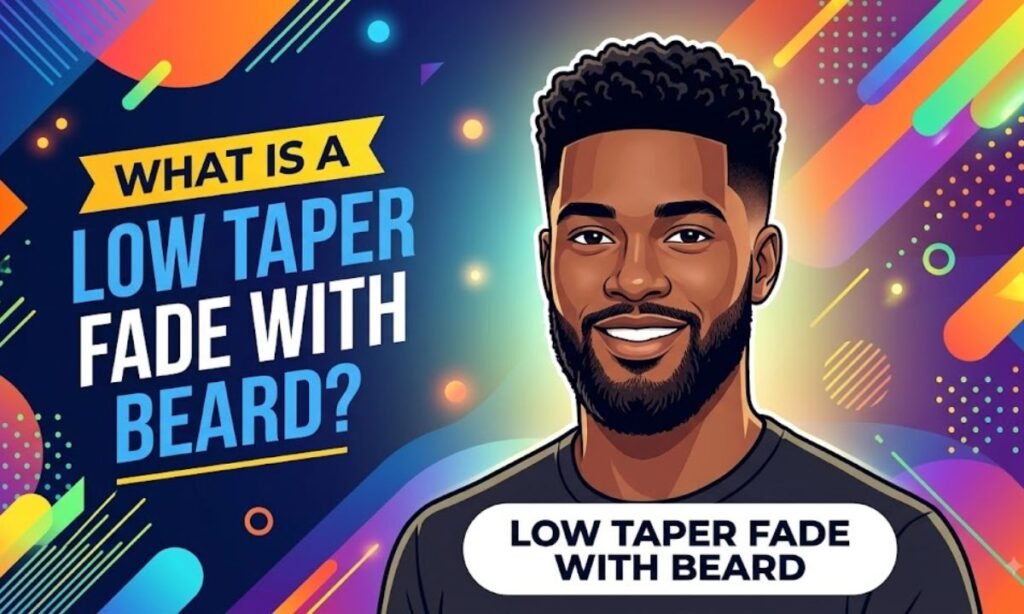
A low taper fade is a haircut where the fade starts close to the ears and hairline, staying subtle at first and gradually shortening down to the skin near the neckline. Unlike a mid or high fade, the blending stays low on the head, which leaves more length and texture on top and around the sides.
When paired with a beard, the fade doesn’t stop at the ears — it connects into the beard line, creating one smooth transition from the hairline down to the jaw. This is often called a beard fade or beard taper, and it’s what gives the style its polished, “all one piece” appearance.
Key features of a low taper fade with beard:
- Fade begins low, near the sideburns and nape, not high on the crown
- Gradual blend from skin-close at the bottom to longer hair on top
- Beard is trimmed and shaped to connect cleanly with the fade
- Works with coils, curls, waves, locs, twists, and straight hair alike
This combination is especially popular among Black men because the contrast between a crisp fade and natural hair texture — coils, waves, or curls — creates a sharper, more intentional look than either style achieves on its own.
Why It Works So Well

There’s a reason this pairing keeps showing up in barbershops and on social media. It’s not just a trend — it solves several real grooming problems at once.
- It frames the face. The fade removes bulk from the sides while the beard adds structure along the jaw, so the whole face looks more defined.
- It’s low-maintenance compared to higher fades. Because the fade sits lower on the head, regrowth is less noticeable, which means you can stretch time between barber visits.
- It suits nearly every hair type. Coily, curly, and wavy hair all sit well on top of a low taper because the length up top isn’t disturbed.
- It looks sharp in any setting. Clean enough for the office, textured enough to still feel casual.
- It highlights natural texture. The tight fade acts like a frame, making waves, curls, or twists on top stand out more.
- It’s flattering across face shapes. With small adjustments to beard length and fade height, it adapts to round, square, oval, and long faces.
ALSO READ THIS:https://thehairsmaster.com/low-taper-vs-burst-fade/
Best Styles to Consider

Below are the most requested variations of the low taper fade with beard. Bring a photo of one (or a mix of two) to your barber for the most accurate result.
Low Taper Fade with Full Beard
This is the classic, timeless combination. The fade stays tight and low while the beard is left fuller and denser, connecting seamlessly into the sideburns. It’s a strong, masculine look that works well for men who already grow thick facial hair naturally.
- Best for: men with dense, even beard growth
- Maintenance: beard trim every 2–3 weeks to maintain shape without losing volume
- Pairs well with: afros, coils, short curls
Low Taper Fade with Short Beard
A shorter beard — often 3 to 5 days of growth trimmed into shape — keeps things clean and low-key. This version is popular for men who want the definition of a beard without heavy grooming demands.
- Best for: first-timers easing into a beard fade
- Maintenance: trim every 1–2 weeks with a guard to keep length consistent
- Pairs well with: waves, twists, low-maintenance curls
Low Taper Fade with Boxed Beard
The boxed beard has crisp, straight lines along the cheeks and neckline, giving the whole style a more structured, sculpted finish. Combined with a low taper, it reads as polished and detail-oriented.
- Best for: men who want sharp, geometric grooming
- Maintenance: line-ups every 1–2 weeks to keep edges crisp
- Pairs well with: side parts, textured tops
Low Taper Fade with Goatee

For men who prefer less facial hair coverage, a goatee still connects into a low taper for a clean, contained look. It’s subtler than a full beard fade but keeps the same intentional finish.
- Best for: patchy beard growth or a lower-maintenance preference
- Maintenance: shape-up every 1–2 weeks
- Pairs well with: buzz cuts, close crops
Low Taper Fade with Thick Beard
When beard density is high, the fade acts as a visual counterbalance — keeping the sides and back tight so the beard doesn’t overwhelm the face. This pairing is bold and works especially well for square and oval face shapes.
- Best for: naturally thick or coarse beard hair
- Maintenance: beard oil or balm daily to manage thickness and shine
- Pairs well with: fuller tops, medium-length curls
Low Taper Fade with Curly Hair and Beard
Curls on top, tight fade on the sides, and a well-shaped beard below — this is one of the most requested combinations for curly-haired Black men. The fade keeps curls from looking bulky while still letting them show natural movement.
- Best for: naturally curly or coily hair
- Maintenance: curl cream or twist-out routine to define texture up top
- Pairs well with: boxed or short beards for balance
Low Taper Fade with Waves and Beard
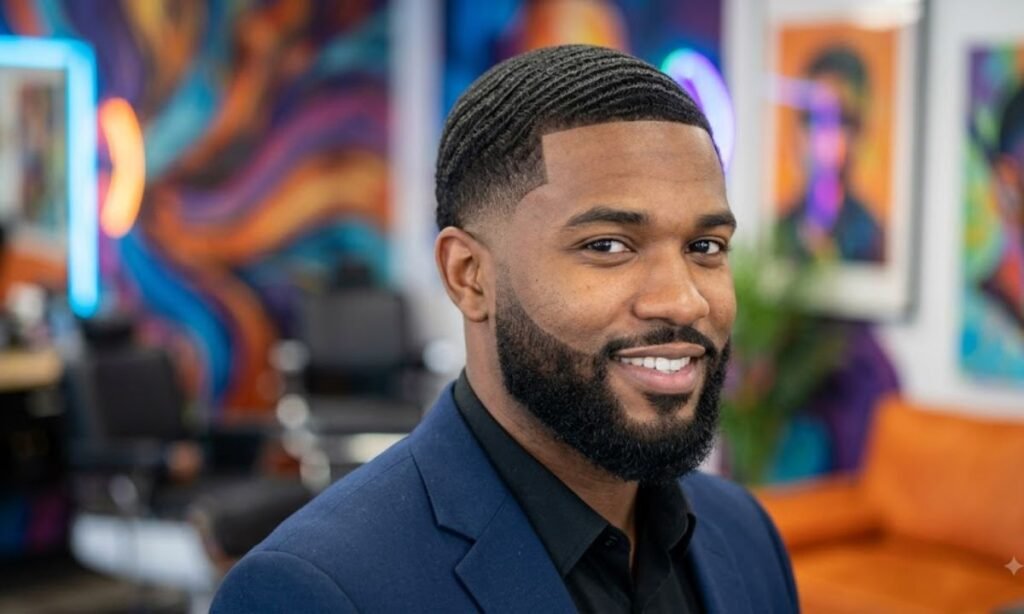
Waves need structure to really pop, and a low taper delivers exactly that. The tight sides make the wave pattern on top more visible, while a groomed beard finishes the look from the jaw down.
- Best for: men actively brushing for waves (360 or 720 wave patterns)
- Maintenance: durag or wave cap at night, brush 2–3 times daily
- Pairs well with: short to medium beards that don’t distract from the wave pattern
| Style Variation | Best Hair Type | Maintenance Level |
| Full Beard | Dense, even growth | Medium |
| Short Beard | Any | Low |
| Boxed Beard | Any | Medium-High |
| Goatee | Patchy growth | Low |
| Thick Beard | Coarse, thick hair | High |
| Curly Hair + Beard | Curly/coily | Medium |
| Waves + Beard | Wavy | Medium |
Face Shape Considerations
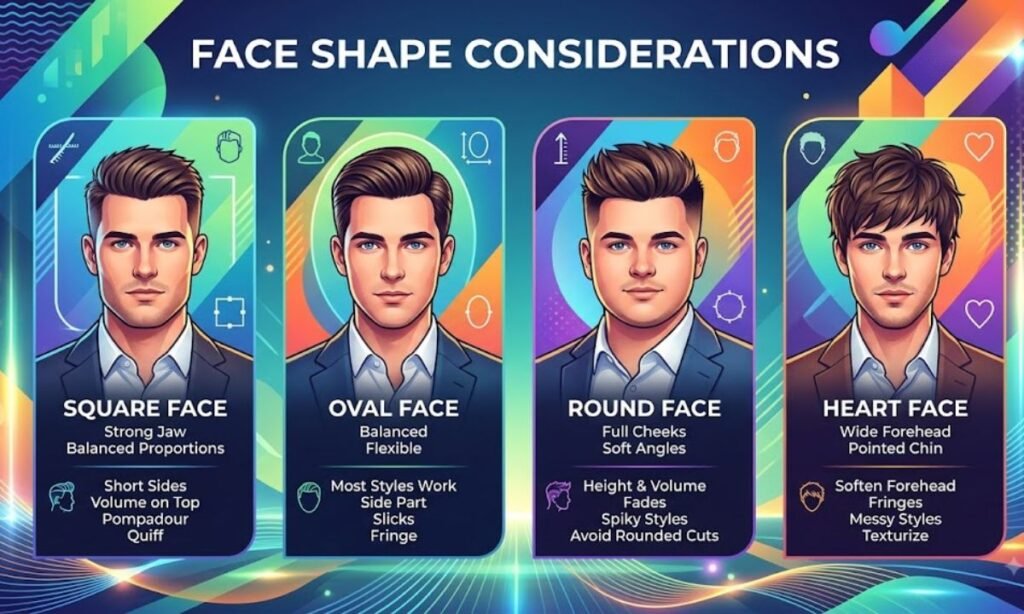
Not every version of this cut works the same way on every face. Small adjustments in fade height and beard shape can make a big difference.
- Round face: Keep the beard slightly longer at the chin to add length, and avoid rounding the beard’s bottom edge — a squared-off shape helps elongate the face.
- Square face: Almost any version works well here, since the jawline is already strong. A shorter beard can actually look sharper than a full one.
- Oval face: This is the most flexible face shape for a low taper fade with beard — full, short, or boxed beards all sit naturally.
- Long face: Keep the beard fuller on the sides rather than the chin, and avoid letting it grow too long, which can stretch the face further.
- Diamond face: A boxed or full beard helps soften sharp cheekbones, while the low fade keeps the sides from adding extra width.
What to Tell Your Barber
Miscommunication is the most common reason a haircut doesn’t turn out the way you pictured it. Be specific.
- Say “low taper,” not just “fade.” This tells your barber the blend should start near the ears and nape, not higher up the head.
- Specify the guard length on top. Whether you want length left for curls, waves, or an afro, give a number or a photo reference.
- Mention how you want the beard connected. Ask for the fade to blend directly into the beard line rather than stopping short at the sideburns.
- Bring a reference photo. Even a rough match helps avoid guesswork, especially for boxed or shaped beard lines.
- Flag your face shape concerns. If you know round faces don’t suit a very short beard on you, say so upfront.
- Confirm the neckline shape. A rounded or straight neckline changes the overall finish more than people expect.
Keeping It Looking Good

A low taper fade with beard looks sharp on day one — the real test is how it holds up over the following weeks.
- Book touch-ups every 2–3 weeks. Because the fade sits low, regrowth is less obvious than a high fade, but the line-up and beard edges still need regular attention.
- Use beard oil or balm daily. This keeps facial hair soft, reduces itchiness, and helps the beard hold its shape between trims.
- Line up the neckline and sideburns weekly. A clean edge makes the whole cut look freshly done even between barber visits.
- Moisturize the scalp and skin under the beard. Dry skin under facial hair leads to flaking and irritation, which undercuts an otherwise clean look.
- Brush or comb the beard daily. This trains hair growth direction and keeps the shape connected to the fade.
- Protect waves or curls at night. A durag, silk bonnet, or pillowcase reduces frizz and helps maintain texture on top.
Mistakes That Are Easy to Make
Even a great haircut can go wrong with small missteps. Watch for these:
- Letting the beard outgrow the fade. If the beard grows out faster than the fade regrows, the connection point starts looking disjointed.
- Skipping the neckline. A blurry, ungroomed neckline undoes the sharpness of an otherwise clean fade.
- Choosing a beard shape that fights your face shape. A full beard on an already round face, or a very short beard on a long face, can work against you.
- Over-trimming between barber visits. DIY touch-ups at home are useful for edges, but reshaping the whole beard yourself often leads to uneven results.
- Ignoring skin care under the beard. Ingrown hairs and razor bumps are more likely without regular exfoliation and a sharp, clean razor.
- Not communicating hair length preferences. Barbers can’t read minds — vague instructions like “just fade it” often lead to more length removed than intended.
- Waiting too long between appointments. Stretching past 4 weeks usually means the taper loses its shape and starts blending into the rest of the hair.
Conclusion
A low taper fade with a beard is one of the most reliable, adaptable haircuts available right now, and it’s easy to see why it’s become a go-to choice for Black men who want a clean, defined look without high-maintenance upkeep. Whether you lean toward a full beard, a sharp boxed shape, or something as simple as a goatee, the fade adapts to your hair texture, your face shape, and your day-to-day routine.
The key to getting it right is communication with your barber, consistent touch-ups, and a bit of daily beard care. Get those three things in place, and this cut will stay sharp from the first day to the next appointment.
Frequently Asked Questions
How often should I get a low taper fade with beard touched up? Every 2–3 weeks keeps the fade and beard line looking sharp and connected.
Does a low taper fade work with all hair textures? Yes, it works with coily, curly, wavy, and straight hair since the length on top stays mostly untouched.
What’s the difference between a low taper and a low fade? A taper blends gradually and subtly near the sideburns and neckline, while a fade blends higher and more noticeably up the sides.
Can I get this style with a patchy beard? Yes — a goatee or short beard style connects well into a fade even with uneven growth patterns.
Is a low taper fade good for professional settings? Yes, it’s one of the most work-appropriate fade options since it stays clean without looking overly styled.
How do I stop my beard from itching after a fade? Apply beard oil or balm daily, especially in the first one to two weeks after a fresh trim.