

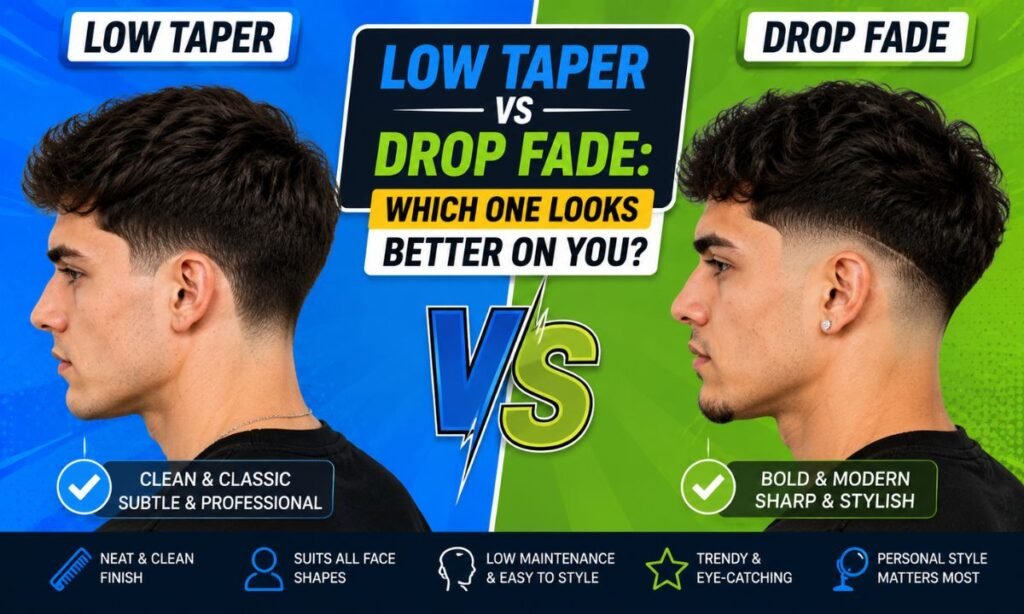
Picking a haircut sounds simple until you’re actually sitting in the barber’s chair, staring at the mirror, trying to explain what you want. Two names come up more than any others right now: the low taper fade and the drop fade. Both keep the sides short, both look sharp, and both get thrown around online like they’re the same thing. They’re not.
This guide breaks down exactly how a low taper fade and a drop fade differ, which one suits your face shape and hair type, and how to walk into your next barber appointment knowing exactly what to ask for.
What Is a Low Taper Fade?
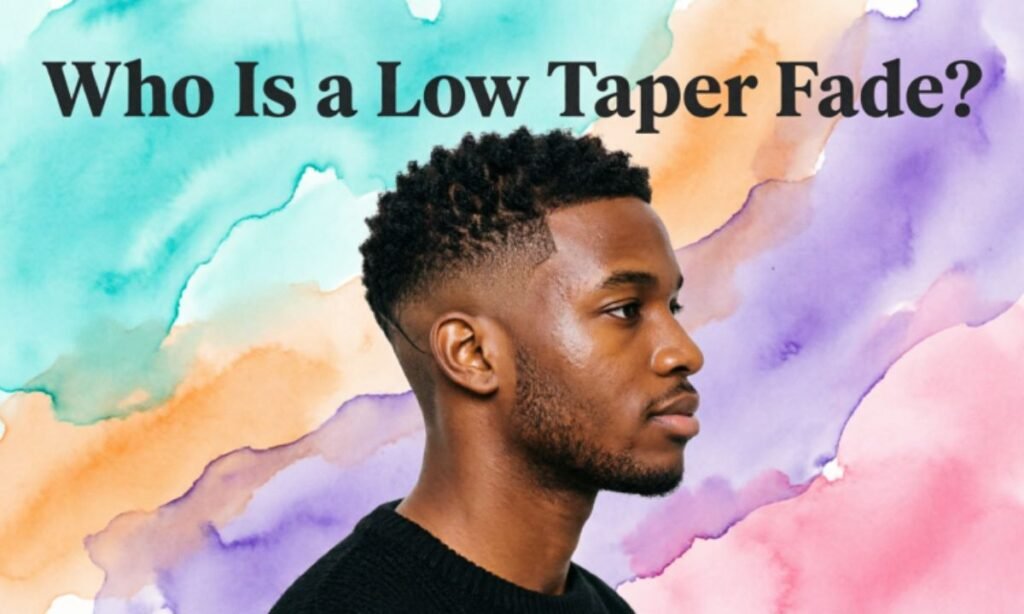
A low taper fade keeps most of your length on top and starts blending the hair low on the head, usually right above the ears and around the nape of the neck. The fade line stays fairly straight and close to the hairline, so the transition from long to short is gentle rather than dramatic.
Key traits of a low taper fade:
- Starts about half an inch above the ear
- Blends gradually with no harsh lines
- Leaves more hair on the sides compared to mid or high fades
- Keeps a natural, low-key silhouette
- Works well with almost any hairstyle on top, from a crop to a pompadour
It’s the haircut equivalent of a well-fitted blazer — clean, versatile, and never trying too hard.
What Is a Drop Fade?
A drop fade follows the same fading concept, but the line doesn’t stay straight. Instead, it curves — or “drops” — as it passes behind the ear, creating a rounded, U-shaped path around the back of the head. That curve is what gives the drop fade its signature shape.
Key traits of a drop fade:
- Follows the natural curve of the skull
- Creates a bolder, more sculpted outline
- Adds visual interest around the ear and neckline
- Pairs especially well with curly or wavy textures
- Needs a skilled barber to execute the curve cleanly
Where a low taper plays it safe, a drop fade is built to be noticed.
ALSO READ THIS:https://thehairsmaster.com/low-taper-fade-styles/
The Biggest Difference Between a Low Taper and a Drop Fade
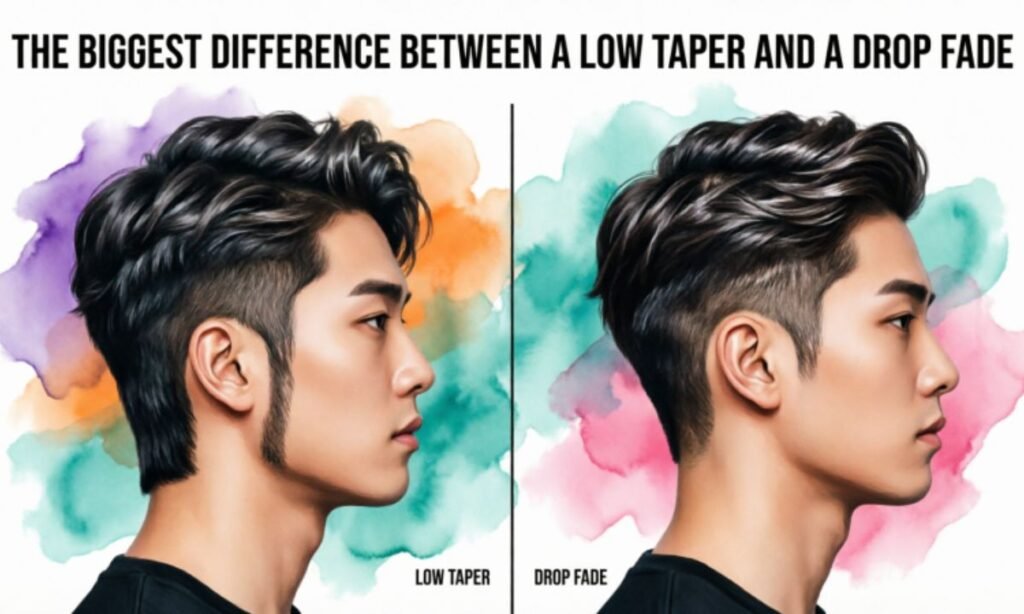
The core difference comes down to line direction and attention level.
| Feature | Low Taper Fade | Drop Fade |
| Fade line shape | Straight, horizontal | Curved, drops behind the ear |
| Visual impact | Subtle, blends in | Bold, stands out |
| Hair kept on sides | More | Less around the curve |
| Barber skill required | Moderate | High |
| Best setting | Formal, professional | Casual, creative |
| Maintenance frequency | Every 3–4 weeks | Every 2–3 weeks |
A low taper is predictable and forgiving. A drop fade is a design statement. Neither is “better” — they just serve different goals.
Which One Looks More Professional?

If you work in a conservative environment — law, finance, corporate offices — the low taper fade is usually the safer pick. It’s neat without drawing attention, and it ages well since the shape doesn’t shift much as your hair grows out between cuts.
A drop fade can still look professional, especially in a low or mid version, but the curved line reads as more fashion-forward. It suits creative industries, casual workplaces, and anyone who wants their haircut to feel current rather than classic.
Low Taper vs Drop Fade for Different Face Shapes
Round Face
A low taper fade adds subtle height and avoids adding extra width, which helps balance rounder features. A drop fade can work too, but keep the curve high and tight rather than low and wide, or it can emphasize roundness.
Oval Face
Oval faces are the easiest to style — both cuts work well here. This is where personal preference matters more than face shape.
Square Face
A drop fade softens strong jawlines nicely because the curved line breaks up sharp angles. A low taper is still a solid choice but leans into the squareness rather than softening it.
Long Face
Go with a low taper fade. Keeping the sides fuller and the fade line straight avoids adding extra length to the face, which a deep drop fade can sometimes do.
Heart-Shaped Face
Both styles work, but a low taper with a bit of volume on top balances a narrower chin better than a sharply curved drop fade.
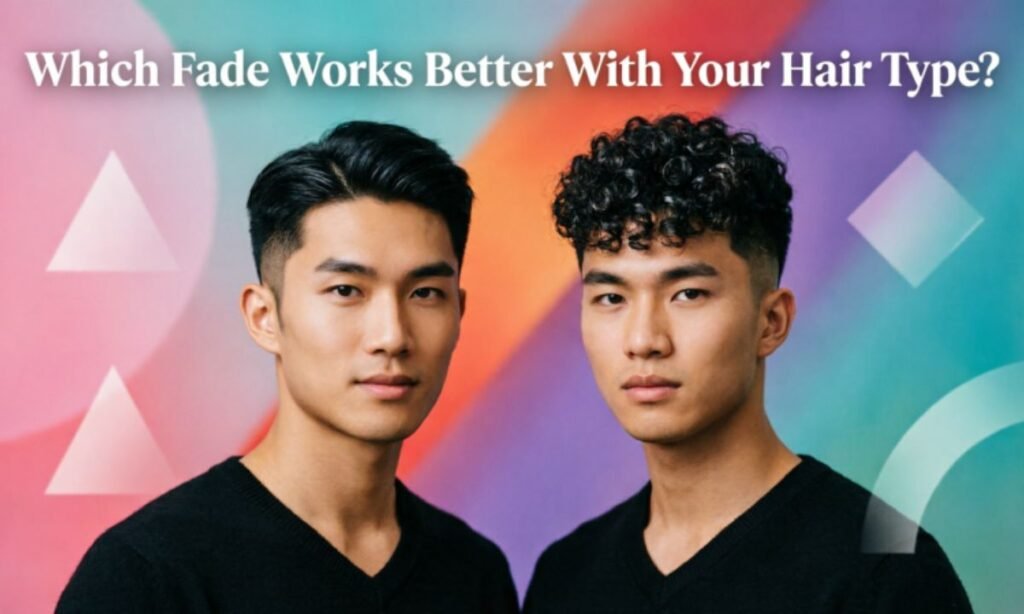
Which Fade Works Better With Your Hair Type?
Straight Hair
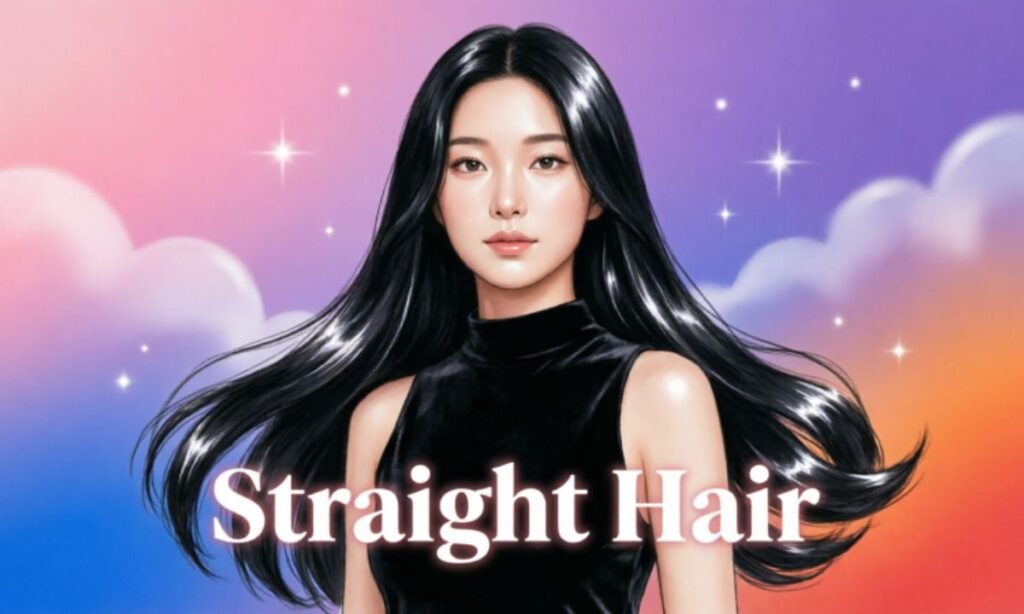
Straight hair shows off both cuts cleanly since the fade line is easy to see. A low taper looks crisp; a drop fade shows its curve clearly.
Curly Hair
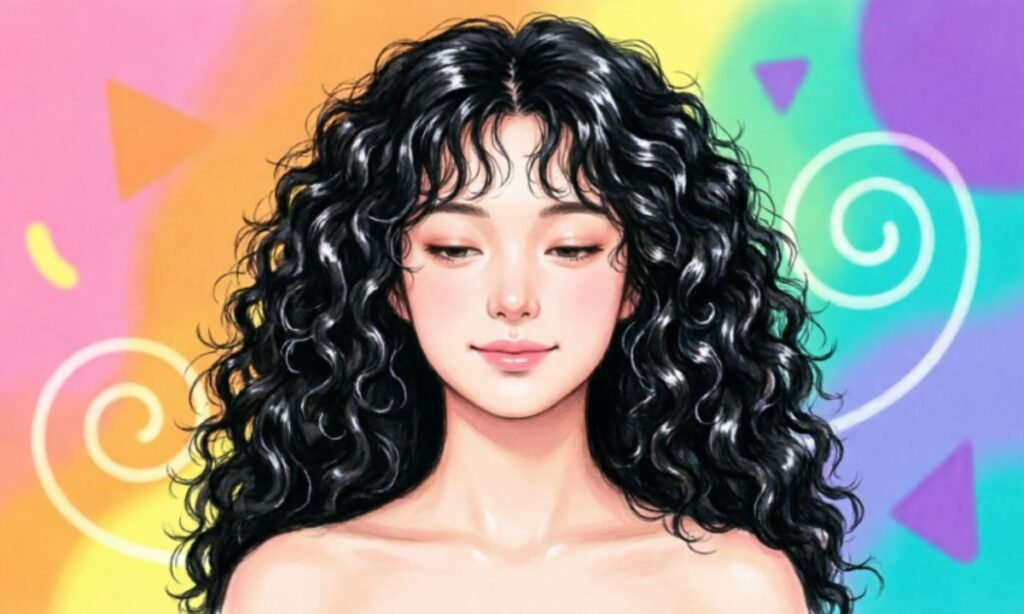
Curly hair pairs especially well with a drop fade — the curve follows the natural roundness of curls and keeps the sides tight while letting the top curls stand out.
Wavy Hair
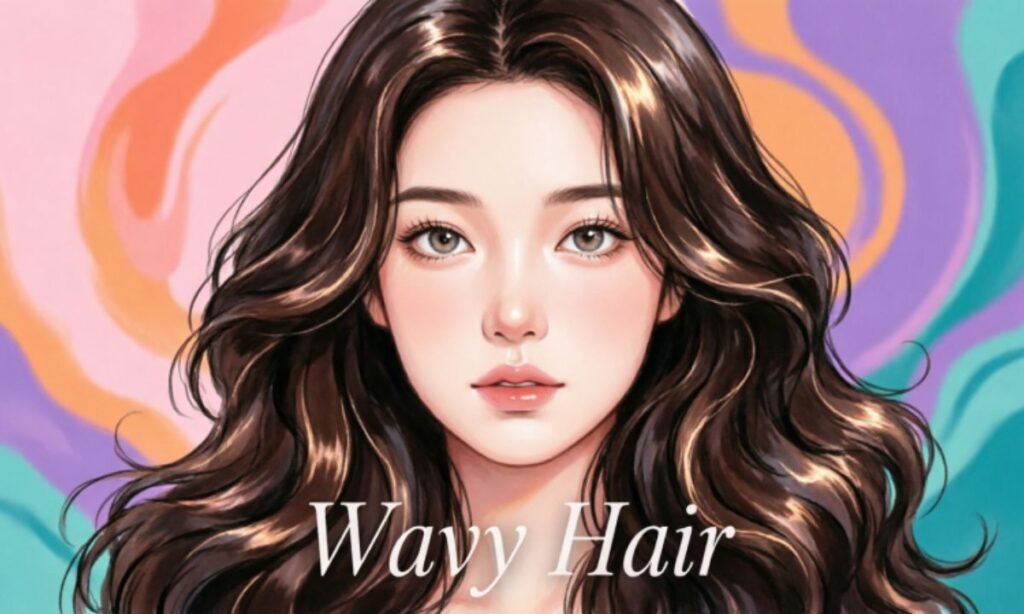
Wavy hair works with either option, though a drop fade tends to add a bit more texture and movement to the overall look.
Thick Hair

Thick hair holds shape well with a low taper, giving it a fuller, more natural top. A drop fade also works but may need more frequent trims to keep the curve sharp.
Thin Hair

A low taper fade is usually more forgiving for thin hair since it keeps more density on the sides, making the top appear thicker by comparison.
Which One Is Easier to Maintain?
The low taper fade wins here most of the time.
- Straight fade lines grow out more evenly, so the cut looks decent even a few weeks in
- Fewer trips to the barber are needed to keep it sharp
- Simpler technique means more barbers can execute it consistently
A drop fade, because of its curved line, shows growth faster and can start looking uneven sooner. If you want a cut that looks sharp with less upkeep, the low taper is the practical choice.
Which Fade Looks Better With a Beard?
Both cuts pair well with a beard, but the pairing changes the vibe:
- Low taper fade + beard: A clean, balanced, groomed look that works for everyday and professional settings.
- Drop fade + beard: A bolder, more stylized combination — the curved fade line draws the eye toward the jaw, making it a good match for fuller or sculpted beards.
If your beard is neatly lined up, a drop fade can make the whole look feel more intentional and sharp.
Best Hairstyles With a Low Taper

- Classic crew cut
- Textured crop
- Side part
- Pompadour
- Slick back
- Comb over
- Buzz cut with tapered edges
Best Hairstyles With a Drop Fade
- Curly top with tapered sides
- Textured quiff
- Faux hawk
- Spiky crop
- Mohawk fade
- Braids or twists with a dropped side
What Should You Tell Your Barber?
Barber terminology varies, so being specific helps you avoid a haircut you didn’t ask for.
If You Want a Low Taper
Say: “I want a low taper fade — keep the fade line straight and starting just above my ears, with more length kept on the sides.”
If You Want a Drop Fade
Say: “I want a drop fade — let the fade line curve down and drop behind my ears instead of staying straight across.”
Bringing a reference photo always helps, since “low” and “drop” can be interpreted differently between barbers.
Common Mistakes People Make
- Not specifying the fade line direction — leading to a straight fade when a curved one was wanted, or vice versa.
- Choosing a style based on photos alone without accounting for face shape or hair type.
- Going too short too soon — starting with a subtle version before committing to a bolder fade is usually smarter.
- Skipping maintenance — letting a drop fade grow out too long, which blurs the curve and looks messy.
- Ignoring hair texture — a style that looks great on straight hair may not translate the same way on curly or coily hair.
FAQs
Is a low taper fade the same as a drop fade? No. A low taper fade has a straight fade line, while a drop fade curves down behind the ear.
Which fade is more popular in 2026? Low taper fades remain more common for everyday and professional looks, while drop fades are trending in casual and creative circles.
Can I get a drop fade with straight hair? Yes, straight hair shows the curved line clearly and works well with a drop fade.
Does a drop fade require a more skilled barber? Generally yes, since the curved line is harder to execute cleanly than a straight taper line.
Which one grows out better? A low taper fade grows out more evenly and looks presentable for longer between cuts.
Can I switch from a low taper to a drop fade? Yes, most barbers can transition your fade line into a curve on your next visit without starting over.
So, Which One Should You Choose?
If you want a clean, low-maintenance, professional-friendly haircut, go with the low taper fade. It’s versatile, forgiving as it grows out, and works with nearly any face shape or hair type.
If you want a haircut with more shape, edge, and personality — especially if you have curly or wavy hair — the drop fade is worth it. Just be ready for slightly more frequent barber visits to keep that curve looking sharp.
Either way, the best haircut is the one that matches your face shape, hair texture, and lifestyle — not just what’s trending online. Bring a clear reference to your next appointment, communicate exactly what you want, and let your barber guide the details.