

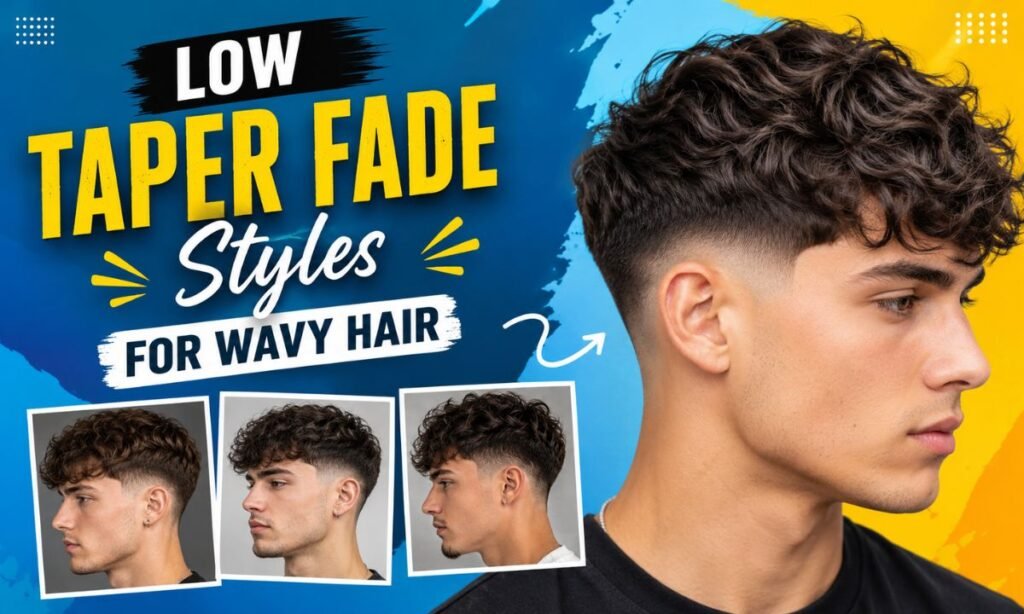
If your hair waves on its own but looks messy the moment it grows out, a low taper fade fixes that without touching your natural texture. It cleans up the sides and neckline while leaving your waves alone to do what they do best.
This guide covers 12 of the best low taper fade styles for wavy hair, how to pick the right one for your hair type and face shape, what to actually say to your barber, and how to keep the cut looking sharp between appointments.
What Is a Low Taper Fade?
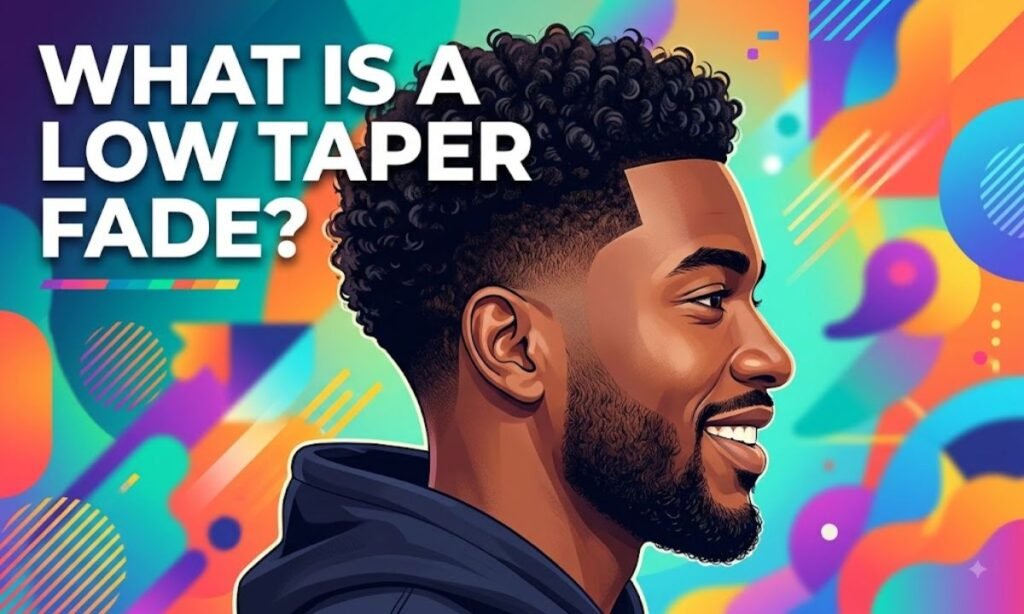
A low taper fade is a haircut where the hair gradually shortens from the top down to a very short length just above the ears and along the neckline. Unlike a high or mid fade, the blend starts low — usually an inch or so above the ear — so the transition is subtle instead of dramatic.
A few things separate it from other fades:
- Starting point: The fade begins low, close to the hairline, not up near the temples.
- Skin exposure: A low taper usually keeps a thin layer of hair at the base rather than fading to bare skin, though a skin option exists for a sharper look.
- Blend, not a hard line: The sides move gradually from short to long, with no visible step between sections.
- Top length stays flexible: You can keep anywhere from one to four inches on top, which is what makes it work so well with waves.
Because the fade sits low, it works with almost any outfit or setting — casual, professional, formal. That’s part of why it’s stayed one of the most requested men’s cuts going into 2026.
Why Wavy Hair and This Cut Go Together

Wavy hair already has built-in movement. Left alone, it can look great one day and unruly the next, especially around the sides where growth tends to puff out instead of wave.
Here’s what the low taper fade does for wavy hair specifically:
- Removes side bulk. The fade trims away the weight that makes wavy hair flare out near the ears, so the waves on top read as intentional instead of overgrown.
- Keeps the frizz zone contained. Wavy hair tends to lose shape and frizz at the point where it’s cut shortest. A low taper keeps that zone small and low, away from where your waves actually form.
- Adds structure without stiffness. You still get a clean, groomed outline, but the top stays soft and natural rather than looking overly styled.
- Grows out cleanly. Because the transition is gradual, the cut doesn’t hit an awkward stage as fast as higher fades do.
- Works for straight, wavy, and thick textures. It flatters almost any density, but wavy hair in particular gets the most visible benefit because the fade highlights the wave pattern instead of competing with it.
In short: the fade handles the sides, your natural texture handles the top, and the two meet in the middle without a fight.
ALSO READ THIS:https://thehairsmaster.com/low-taper-fade-with-beard-for-black-men/
12 Best Low Taper Fade Styles for Wavy Hair
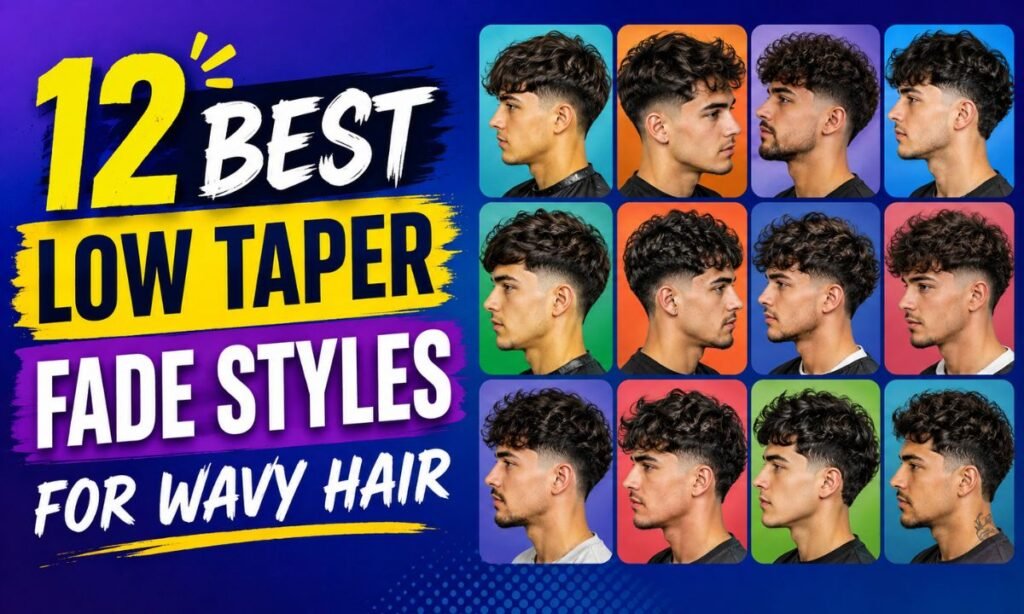
Each of these builds on the same core fade — low, clean, gradual — but changes the top length, texture, or styling direction. Pick based on your hair density, how much time you want to spend styling, and where you’ll be wearing it most.
Classic Wavy Low Taper Fade
This is the baseline version and the easiest to ask for by name. Clean low fade on the sides, natural waves left at around two to three inches on top, no heavy styling required.
- Best for: First-timers or anyone who wants a safe, versatile option
- Styling effort: Low — towel-dry and go
- Maintenance: Trim every 3–4 weeks
Textured Wavy Low Taper Fade

A barber adds texturizing cuts through the top to break up thickness and give the waves more separation and movement. It looks less uniform and more lived-in than the classic version.
- Best for: Thick or dense wavy hair
- Styling effort: Low to medium
- Product tip: A light texture cream keeps strands defined without clumping
Messy Wavy Low Taper Fade
The top is left slightly longer and tousled on purpose, while the fade stays sharp underneath. The contrast between a relaxed top and a clean fade is the whole appeal.
- Best for: Casual, everyday wear
- Styling effort: Very low
- Product tip: Sea salt spray scrunched in while damp enhances wave separation
Short Wavy Low Taper Fade
Top length is kept close, usually under two inches, so the waves show as subtle texture rather than long, loose curls. Clean and low-maintenance.
- Best for: Guys who want minimal daily styling
- Styling effort: Very low
- Good match: Fine or thin wavy hair, since shorter length reads denser
Long Wavy Low Taper Fade

Top length runs three to four inches or more, giving the waves room to fully develop and flow. The fade keeps the sides in check so the length up top doesn’t look unstructured.
- Best for: Thick to medium-density wavy hair
- Styling effort: Medium
- Product tip: A lightweight curl cream prevents the ends from drying out or frizzing
Wavy Fringe Low Taper Fade
The front section is left long enough to fall forward over the forehead, creating a soft fringe that blends into the waves on top. The fade underneath keeps it from looking heavy.
- Best for: Rounder or square face shapes that benefit from forward movement
- Styling effort: Medium
- Product tip: A small amount of matte clay holds the fringe in place without shine
Side Part Wavy Low Taper Fade
A defined part on one side gives this version a sharper, more deliberate look while the waves still show through on top. It sits between casual and formal.
- Best for: Work settings or smart-casual occasions
- Styling effort: Medium
- Product tip: Comb through with a light-hold pomade while hair is slightly damp
Middle Part Wavy Low Taper Fade

Hair is parted down the center and brushed to either side, letting the waves fall naturally on both sides of the face. It’s a more modern, relaxed take on the part.
- Best for: Oval and heart-shaped faces
- Styling effort: Medium
- Note: Works best with at least two to three inches of length on top
Fluffy Wavy Low Taper Fade
Extra volume is built in at the roots, giving the top a soft, rounded shape that sits up rather than falling flat. The low fade keeps the sides from competing with the height.
- Best for: Thin or fine wavy hair that needs more visual density
- Styling effort: Medium
- Product tip: Blow-dry with a round brush lifting at the root, then finish with texture powder
Professional Wavy Low Taper Fade
A neater, more controlled version of the classic cut — sides fade cleanly, top is combed into place, and waves are visible but tidy rather than loose.
- Best for: Office environments, interviews, client-facing roles
- Styling effort: Low to medium
- Product tip: A matte cream keeps the finish natural instead of glossy
Thick Wavy Low Taper Fade
Built specifically for dense hair, this version keeps enough length and volume on top to show off the waves fully while the fade removes bulk from the sides so nothing looks heavy.
- Best for: Thick or coarse wavy hair
- Styling effort: Medium
- Barber tip: Ask for thinning shears on top if the density feels too heavy
Natural Wavy Flow with Low Taper Fade
No forced direction, no rigid styling — the waves are left to fall wherever they naturally go. The fade is the only structured part of the cut, giving it a deliberate finish without any extra effort.
- Best for: Anyone who wants the lowest possible maintenance
- Styling effort: Minimal
- Product tip: Air-dry only, maybe a drop of light oil for shine
Which One Is Right for You?

Use your hair density, face shape, and lifestyle to narrow the list down instead of guessing.
| Hair Type / Goal | Best Styles |
| Thick or dense wavy hair | Textured, Thick Wavy |
| Thin or fine wavy hair | Fluffy, Short |
| Minimal daily styling | Classic, Messy, Natural Flow |
| Work or formal settings | Side Part, Professional |
| Round or square face | Wavy Fringe |
| Oval or heart-shaped face | Middle Part |
| Want maximum wave length | Long Wavy |
If you’re still unsure, start with the Classic Wavy Low Taper Fade. It’s the most flexible option, and your barber can push it toward any of the other styles at your next visit once you know how your hair responds.
Talking to Your Barber
Miscommunication is the most common reason people leave the chair disappointed. Be specific about the fade height and the top length, since “low taper” alone can still be interpreted differently from one barber to the next.
A simple script that works:
- “Low taper fade, starting just above my ears, blending into the neckline.”
- “Leave enough length on top for my waves to show — around [X] inches.”
- “Don’t take the fade too high, I want it to stay subtle.”
- If you have a reference photo, show it. Wavy hair patterns vary enough that a photo removes any guesswork.
It also helps to mention your hair type up front — thick, fine, coarse — so the barber knows whether to thin it out or preserve density.
Keeping It Looking Good
A low taper fade holds its shape longer than higher fades, but it still needs upkeep to look intentional rather than grown-out.
- Trim every 3–4 weeks. The fade line softens faster than the top grows, so regular trims keep the contrast clean.
- Wash with a hydrating shampoo. Wavy hair dries out easily, and dry hair frizzes faster.
- Apply product on damp hair. Sea salt spray, curl cream, or light clay all work better when the hair still has some moisture in it.
- Avoid heavy pomades. Thick, oil-based products weigh waves down and flatten the texture you’re trying to show off.
- Sleep on a satin or silk pillowcase if possible. It reduces frizz and helps the wave pattern hold overnight.
- Touch up the neckline between full cuts. A quick edge-up at home or at the barber keeps the fade looking fresh even between full appointments.
Mistakes Worth Avoiding

- Letting the fade climb too high. Once it passes a certain point, it stops being a low taper and turns into a mid or high fade — a different look entirely.
- Cutting the top too short. Waves need length to form. Go too short and you’re left with hair too short to wave but too long to look deliberately cropped.
- Waiting too long between trims. The top can go a few extra weeks, but the fade loses its clean line much faster and starts looking grown out.
- Using heavy, greasy products. They weigh the waves down and kill the texture the whole cut is built around.
- Skipping the barber conversation. Walking in and saying “just a fade” leaves too much room for a result you didn’t want.
FAQs
How often should I get a low taper fade trimmed? Every 3 to 4 weeks keeps the fade line sharp and the top length manageable.
Does a low taper fade work with thin wavy hair? Yes — it removes side bulk and makes the top look fuller, especially with the Fluffy or Short variations.
Can I pair a low taper fade with a beard? Absolutely. The fade blends smoothly into a tapered beard for a clean, cohesive look.
What products work best for wavy hair with this cut? Sea salt spray for wave definition, curl cream for frizz control, and matte clay for light hold and structure.
Is a low taper fade high maintenance? No — it’s one of the lower-maintenance fades since the gradual blend grows out more evenly than higher fades.
Will this cut work if my hair is naturally straight with a slight wave? It can, but the effect will be milder. The more defined your wave pattern, the more the fade highlights it.
Final Thoughts
A low taper fade is one of the easiest ways to bring structure to wavy hair without losing the texture that makes it look good in the first place. Whether you want something low-effort like the Natural Flow or something sharper like the Professional cut, the core formula stays the same: clean fade below, natural waves above.
Pick the style that matches your hair density and daily routine, bring a clear description or photo to your barber, and keep up with regular trims. That’s really all it takes to keep this cut looking sharp year-round.

1 thought on “Low Taper Fade Styles for Wavy Hair”